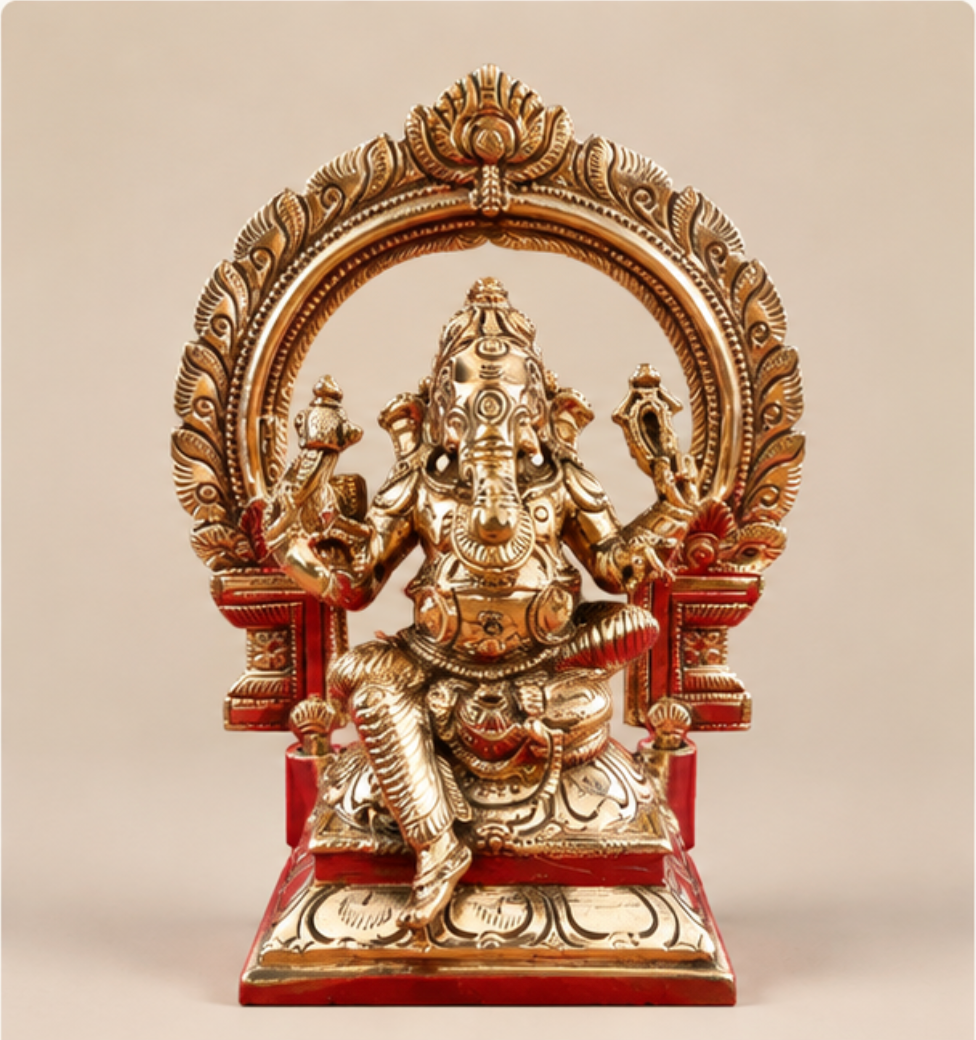
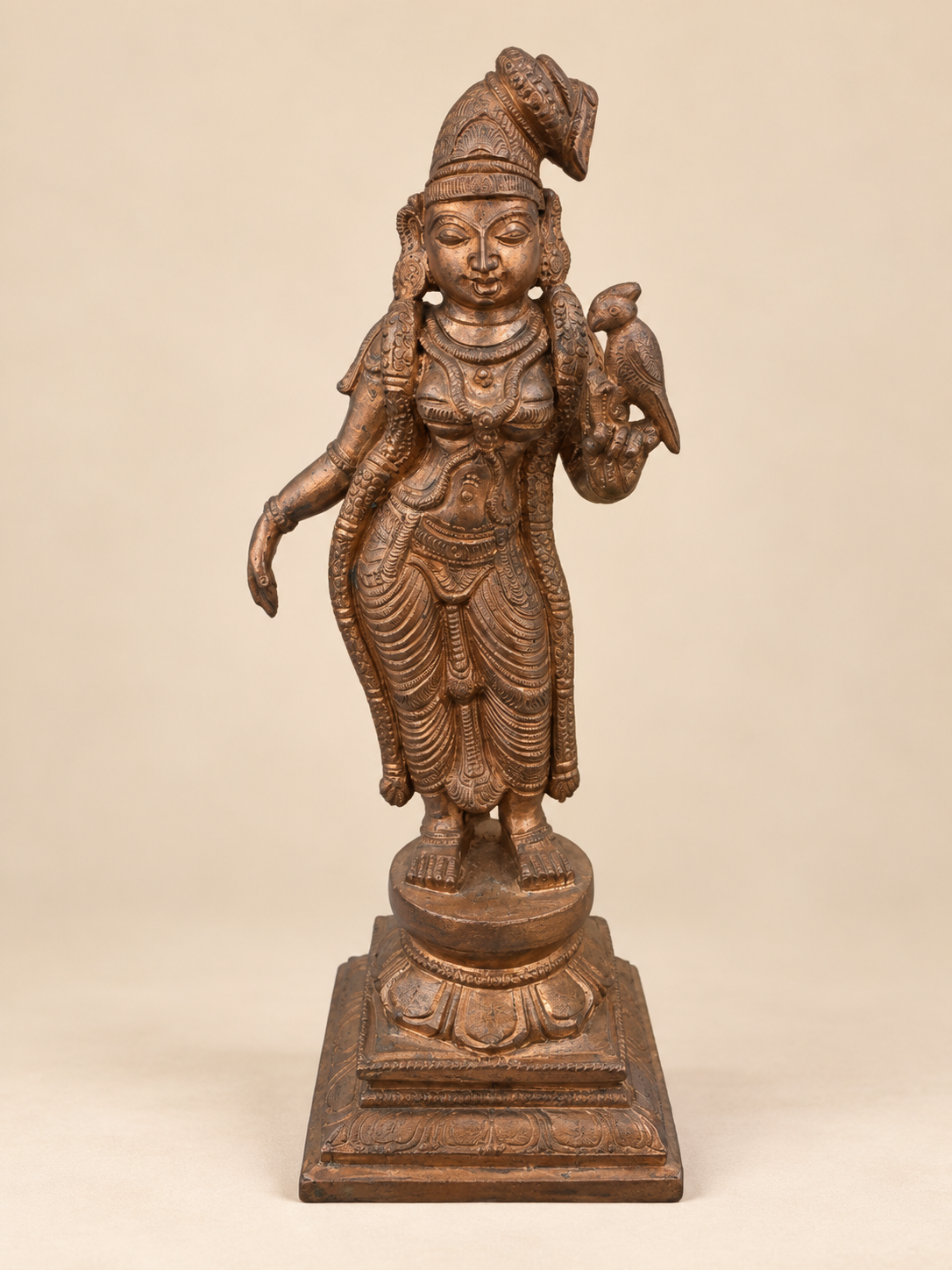
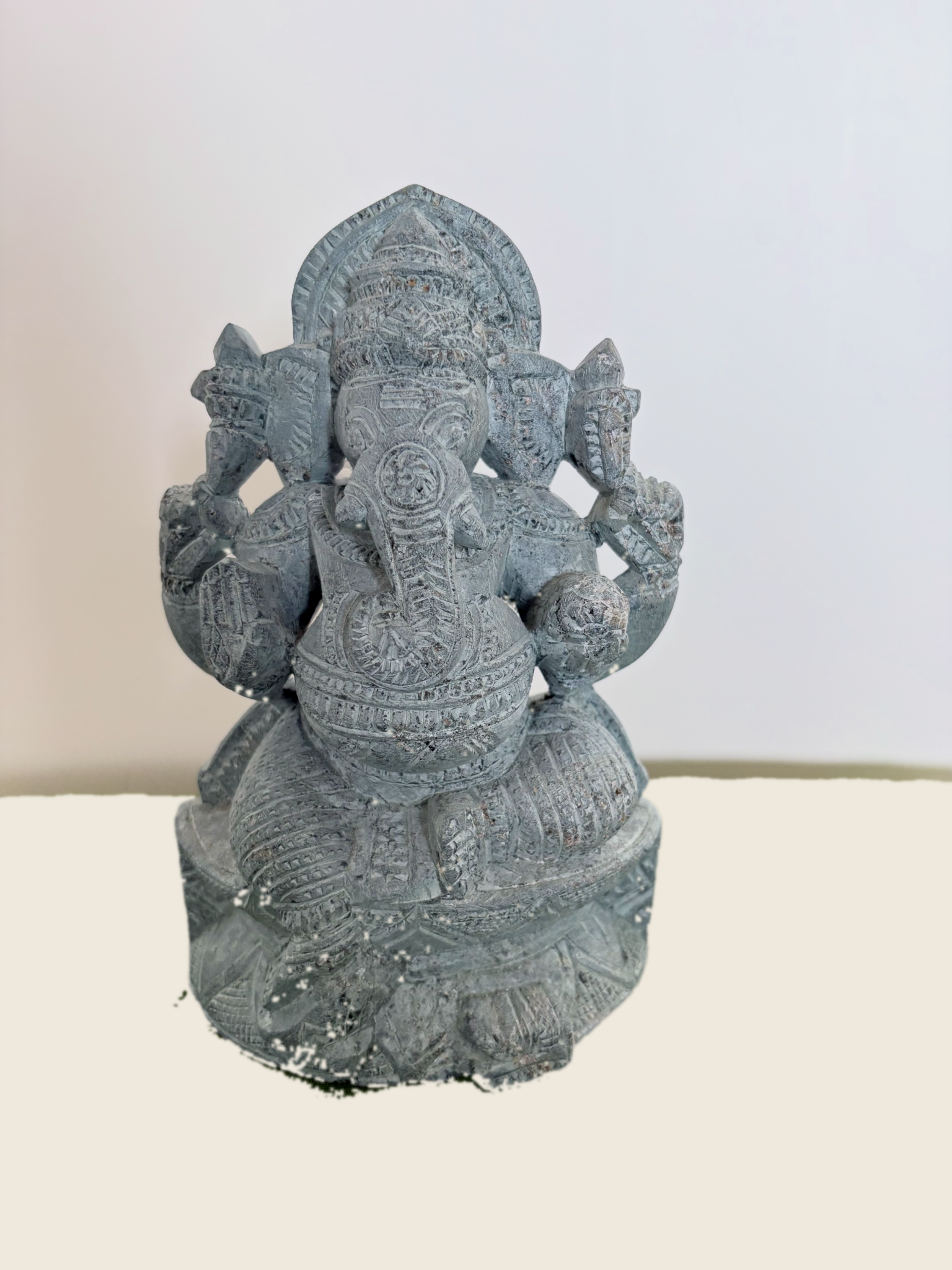
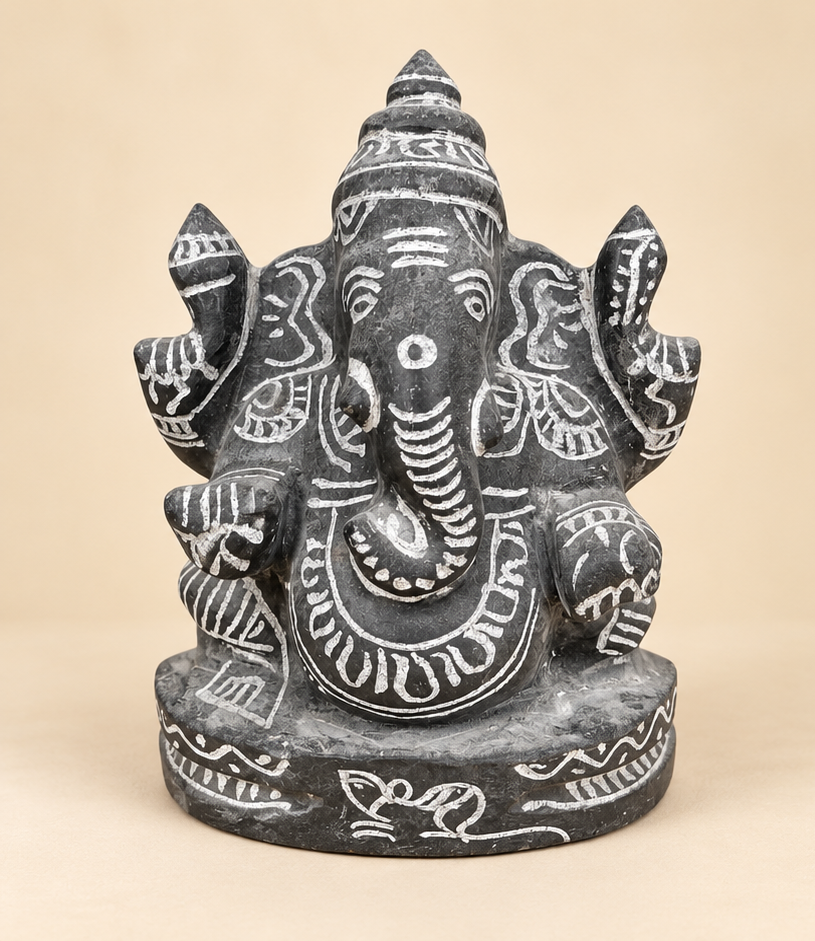
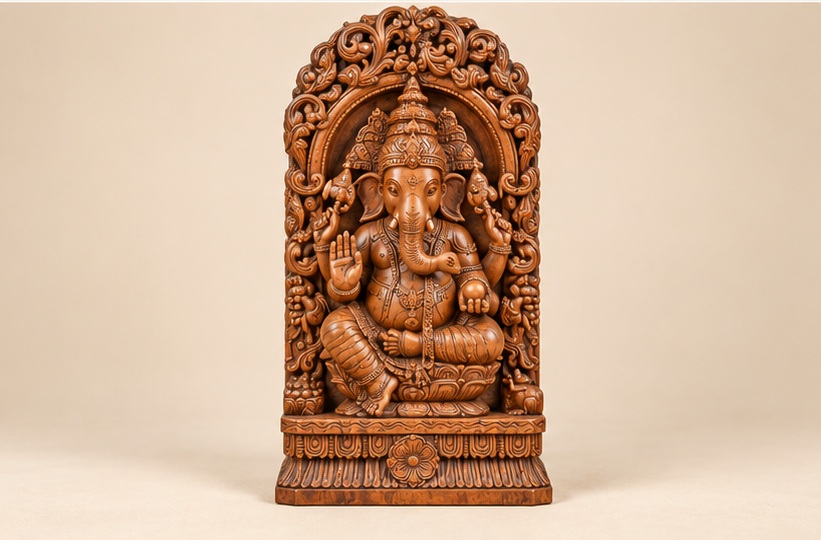
Ganesha
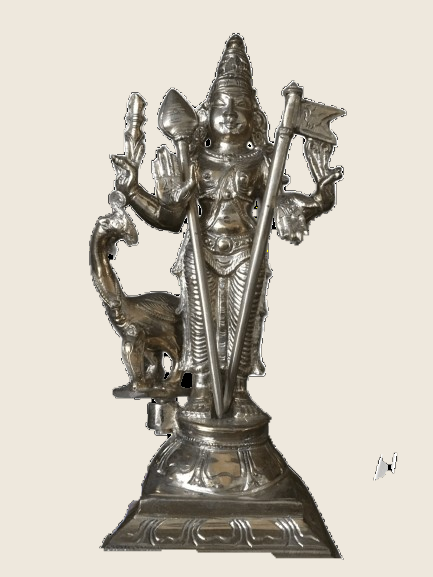
Handcrafted in Swamimalai by a skilled sculptor from a Sthapathy family.
Enquire for Price →
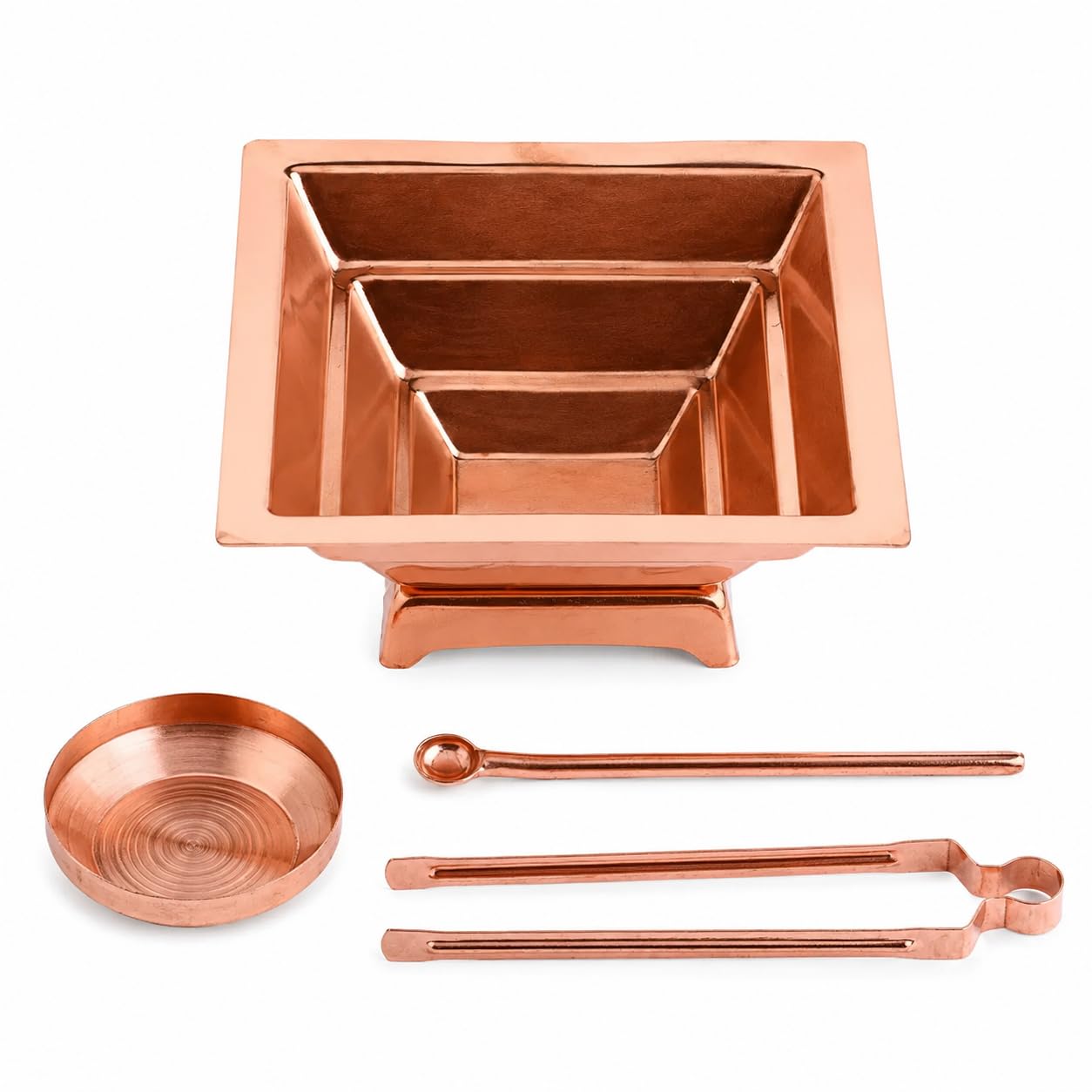
Every tradition starts with a meaningful moment and a clear process. Make the most of your tradition by observing it the way it was meant to be done.


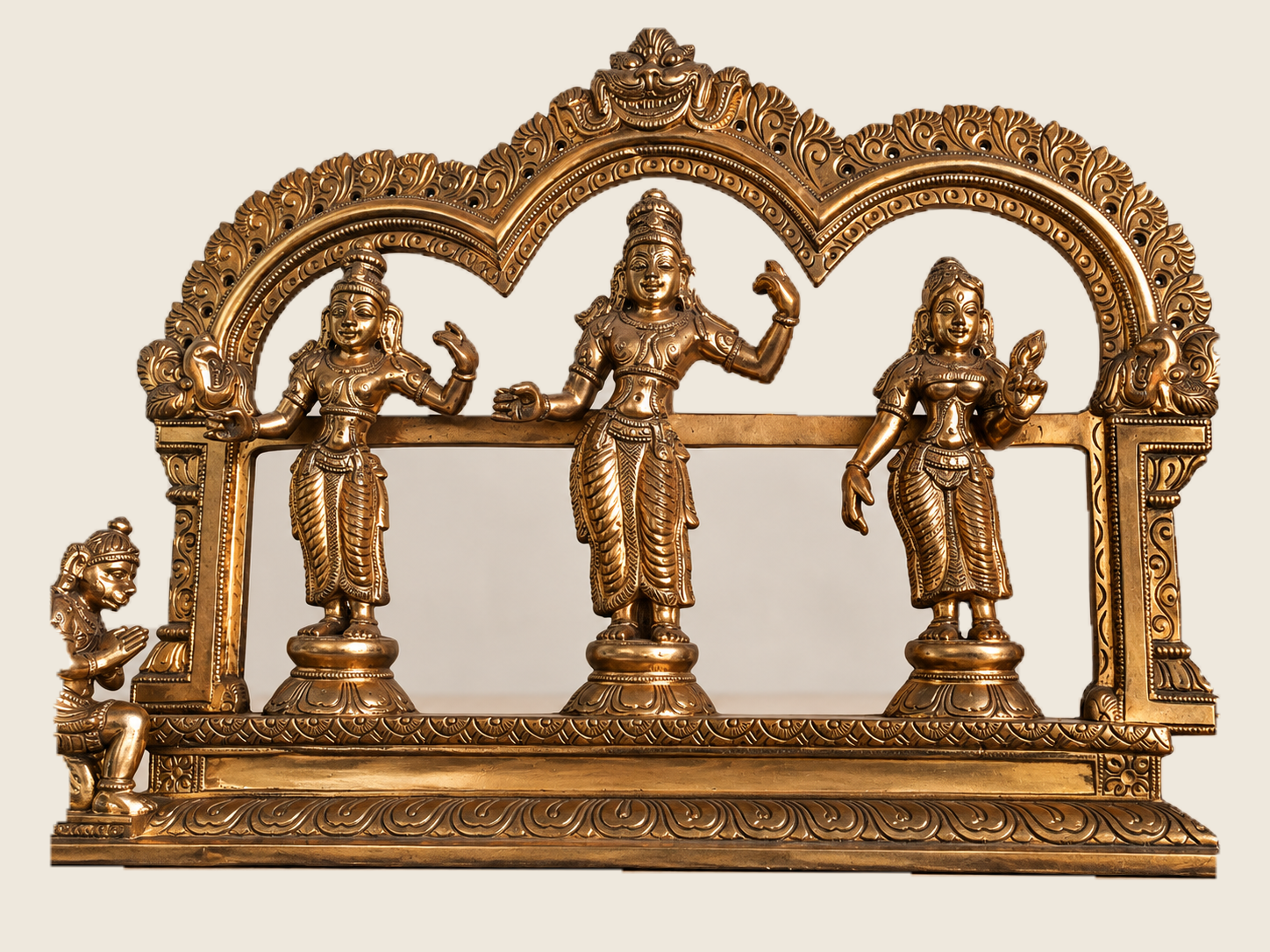
Handcrafted in Swamimalai by a skilled sculptor from a Sthapathy family.
Enquire for Price →
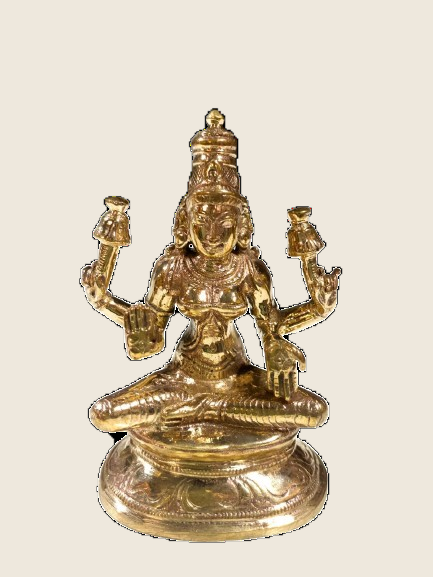
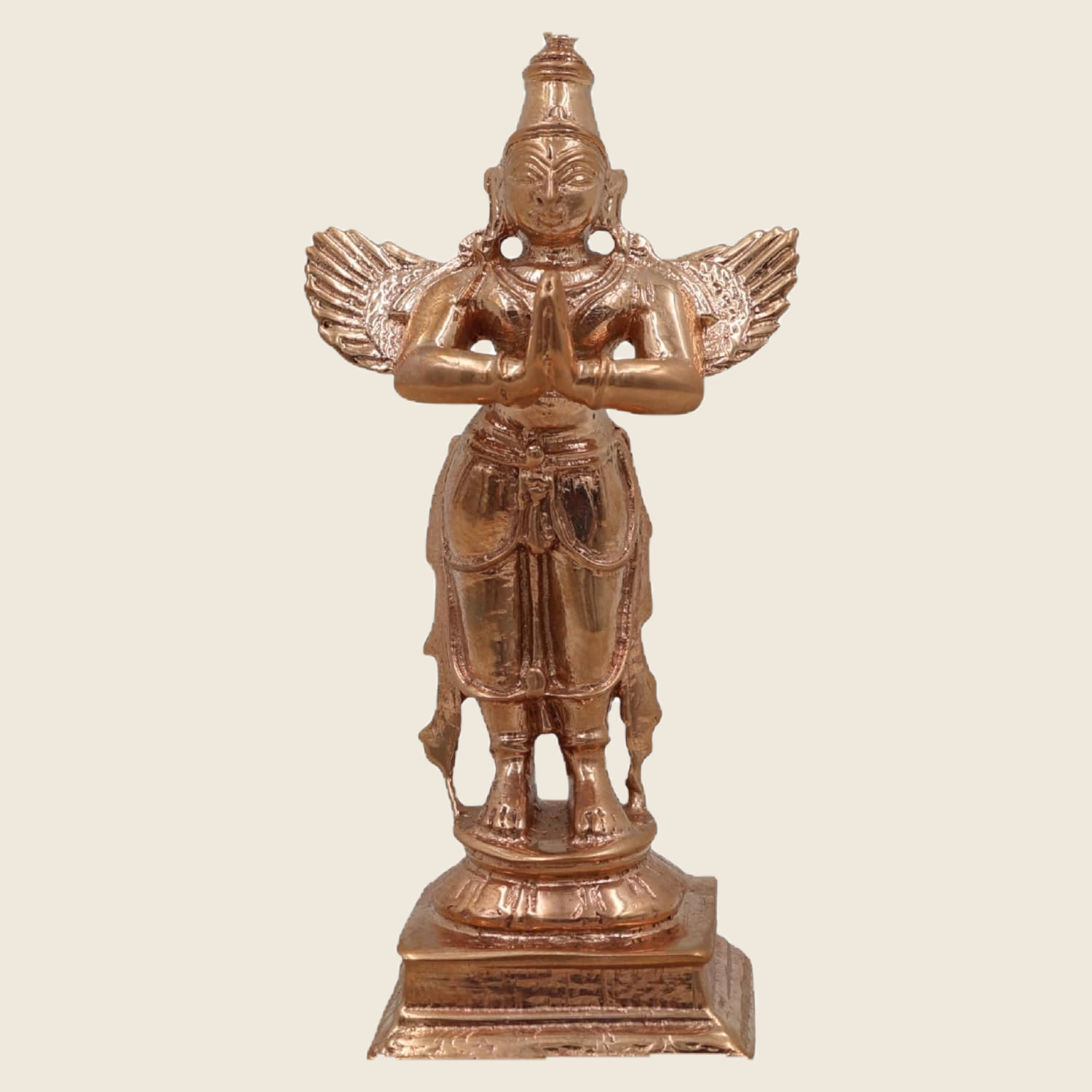
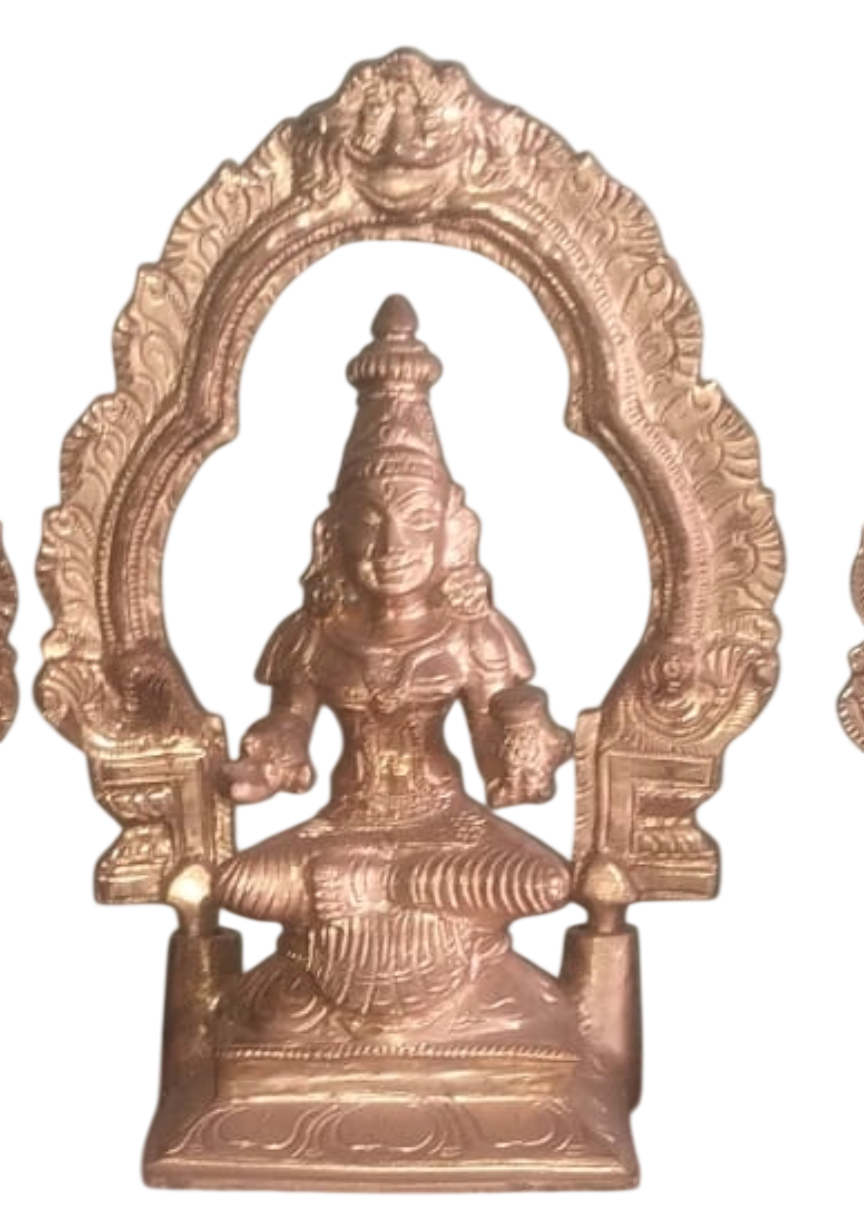
A Panchaloha form associated with auspiciousness, prosperity and abundance.
Enquire for Price →
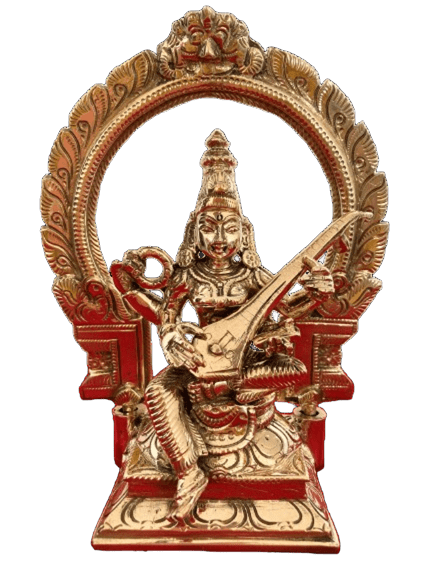
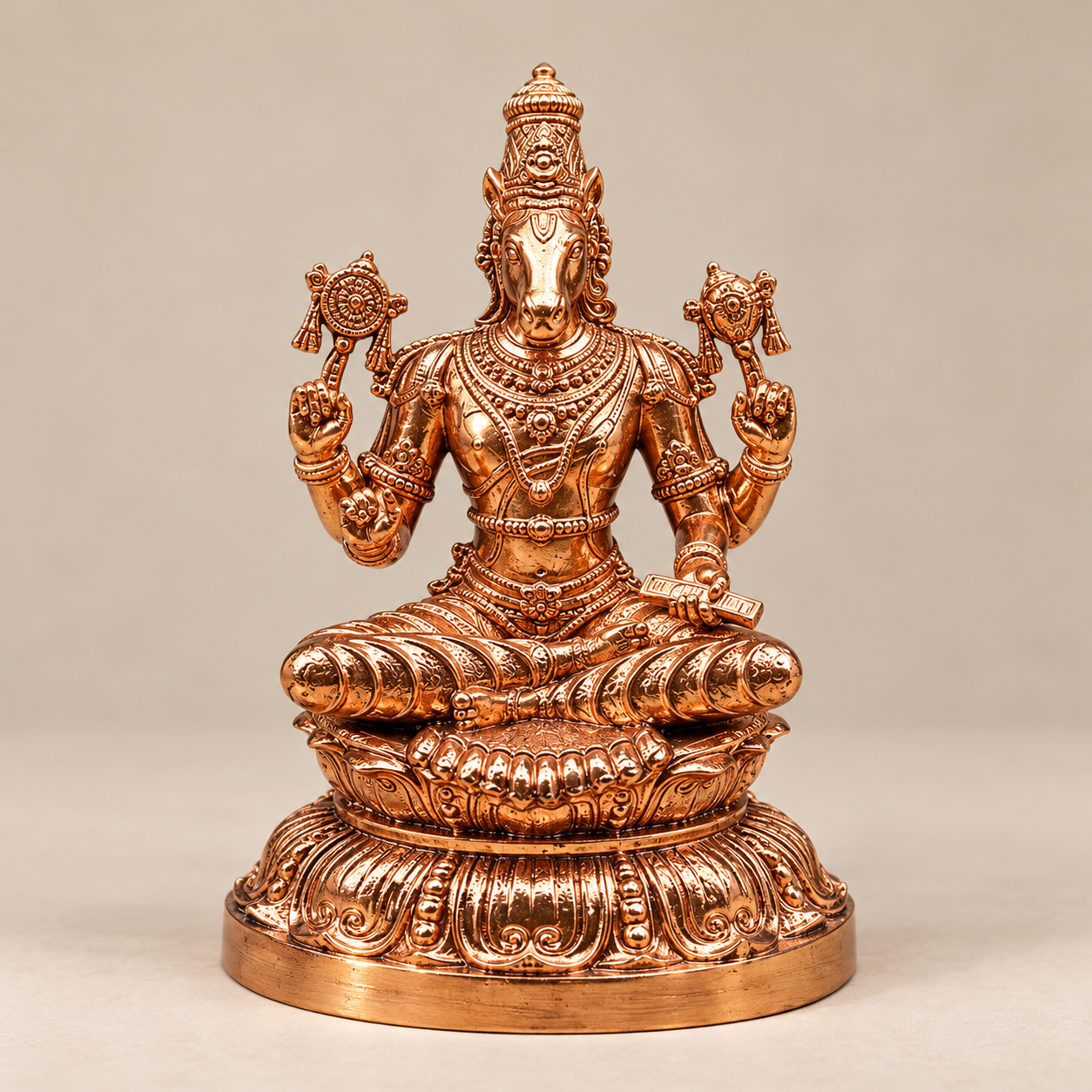
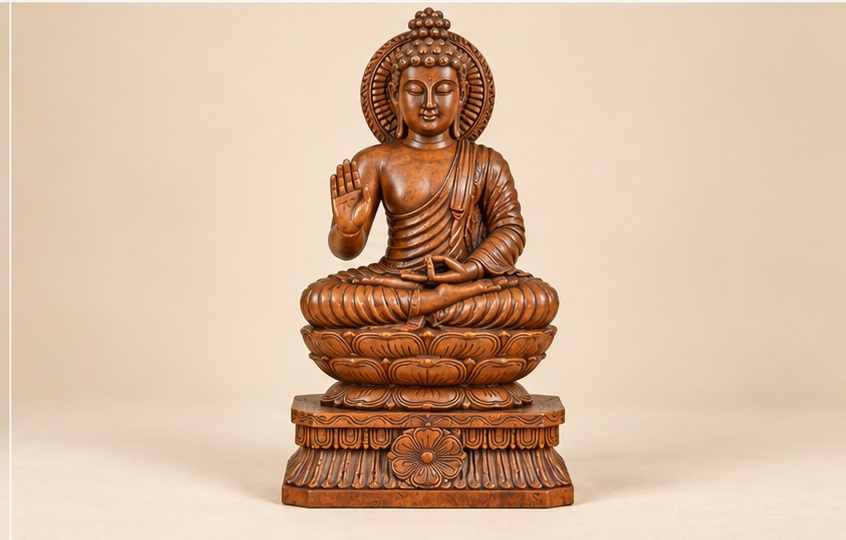
A Panchaloha form associated with knowledge, learning, music and the arts.
Enquire for Price →
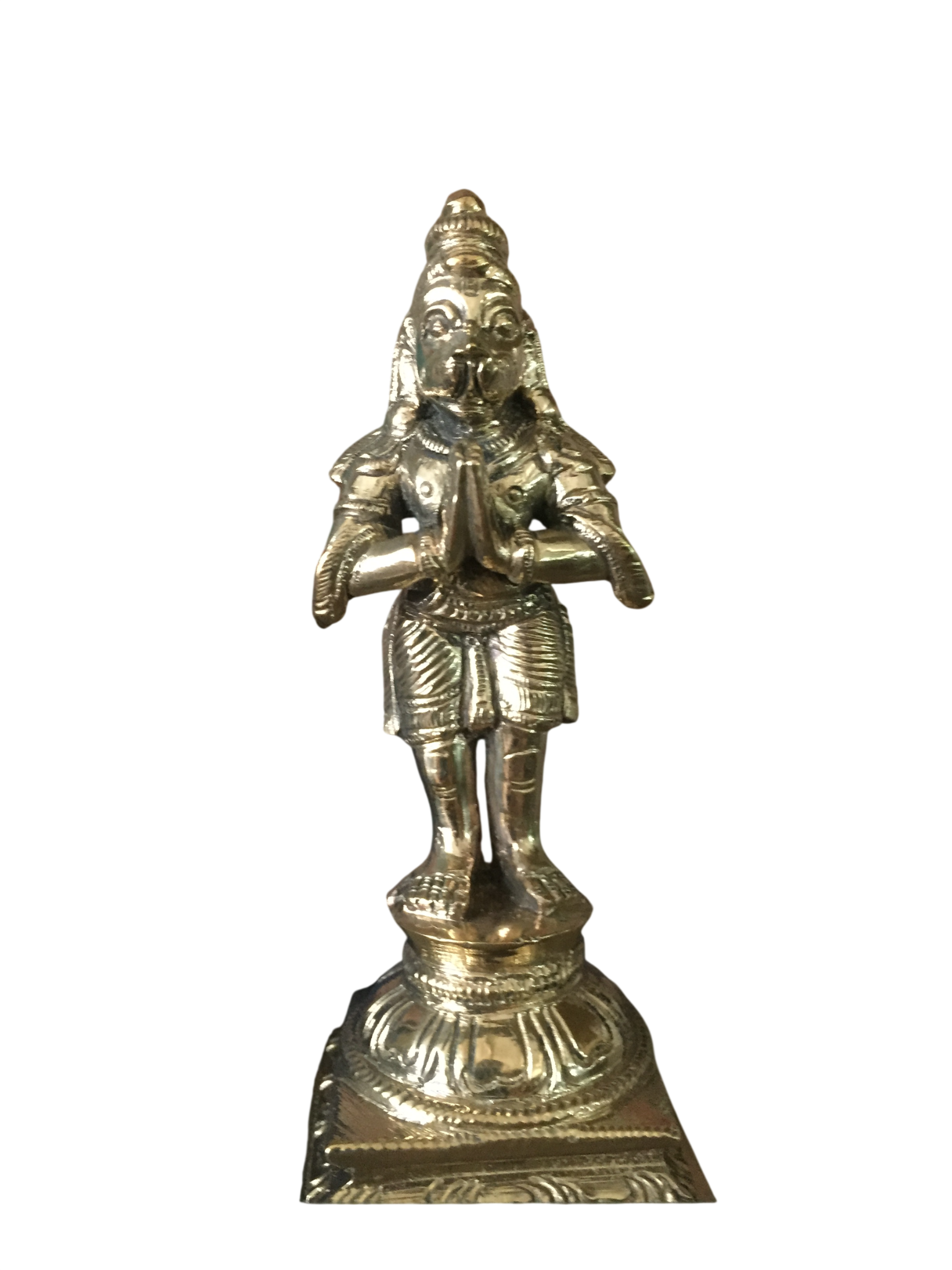
A handcrafted Panchaloha Hanuman from Swamimalai, representing devotion, strength and courage.
Enquire for Price →
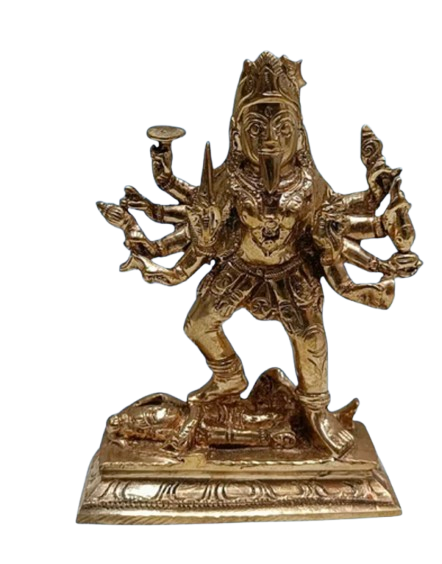
A traditional Panchaloha form representing the powerful symbolism of Devi.
Enquire for Price →
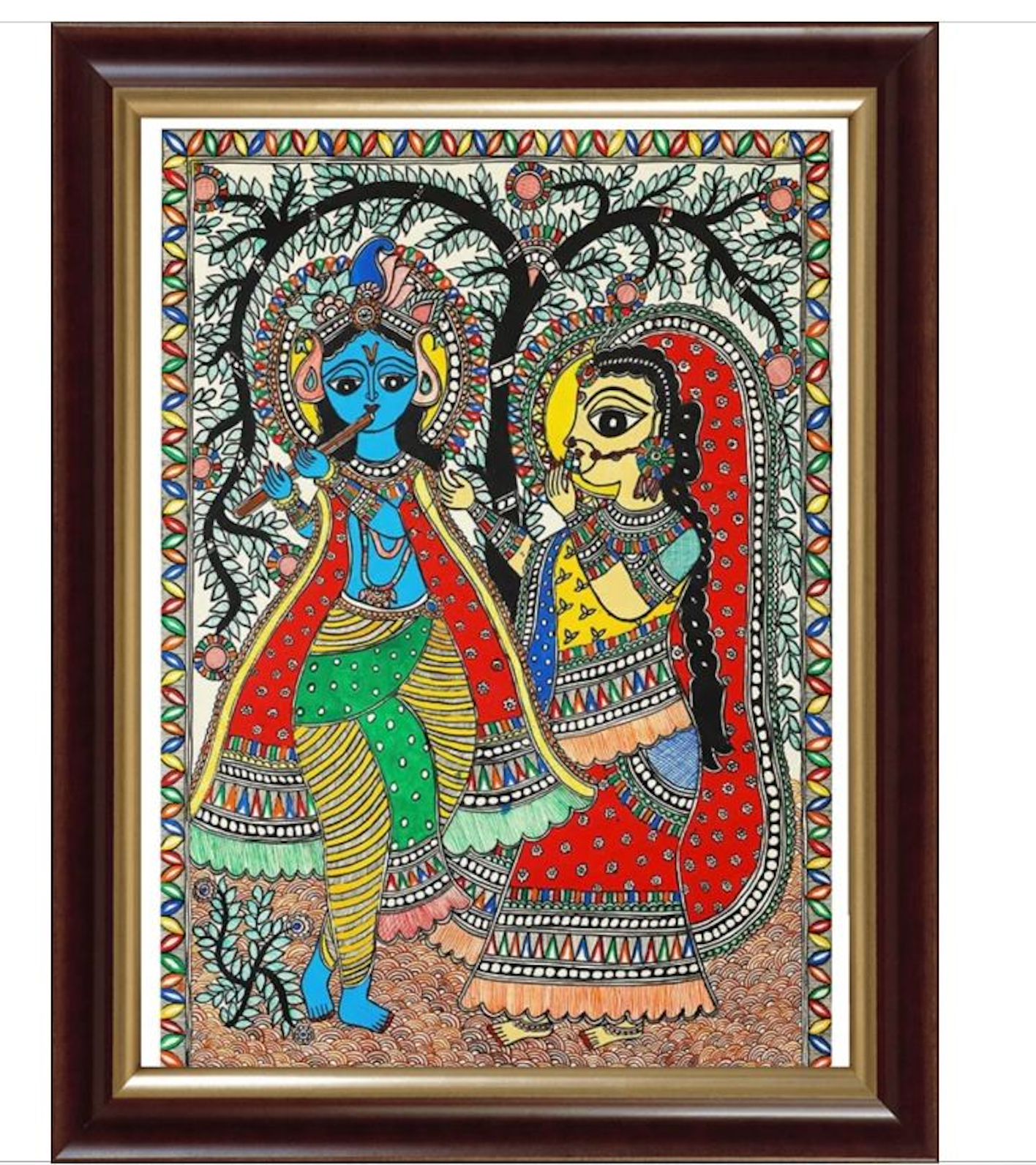
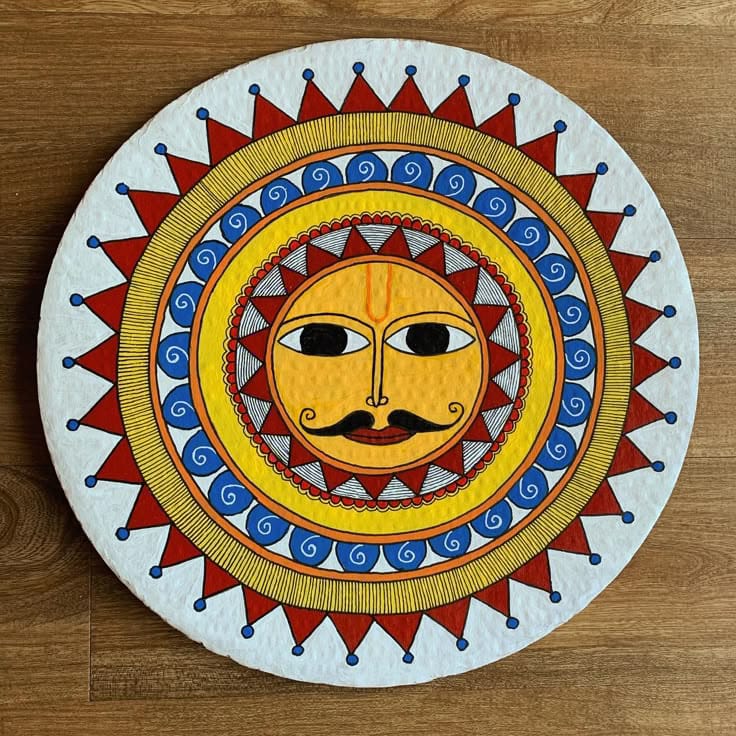
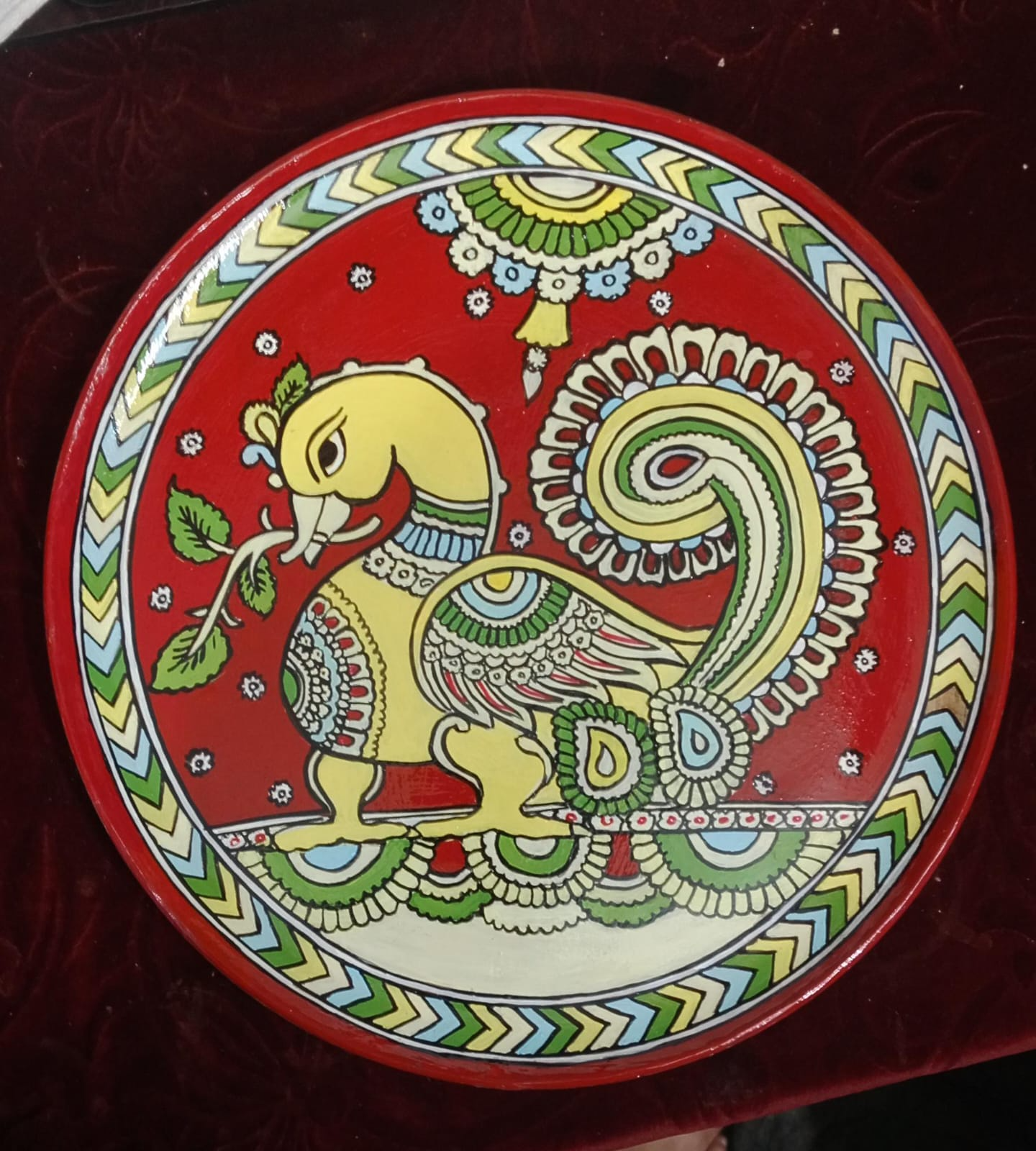
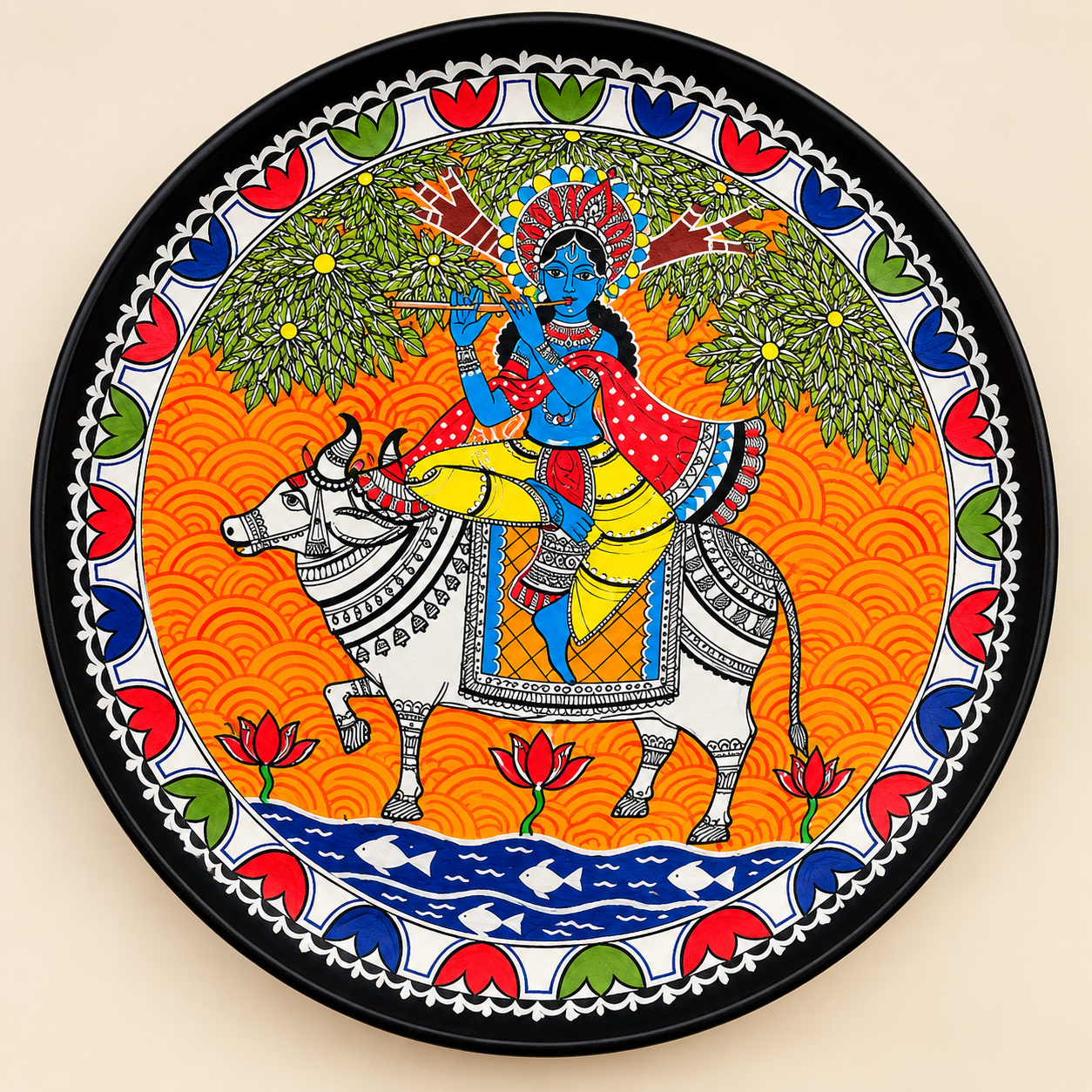
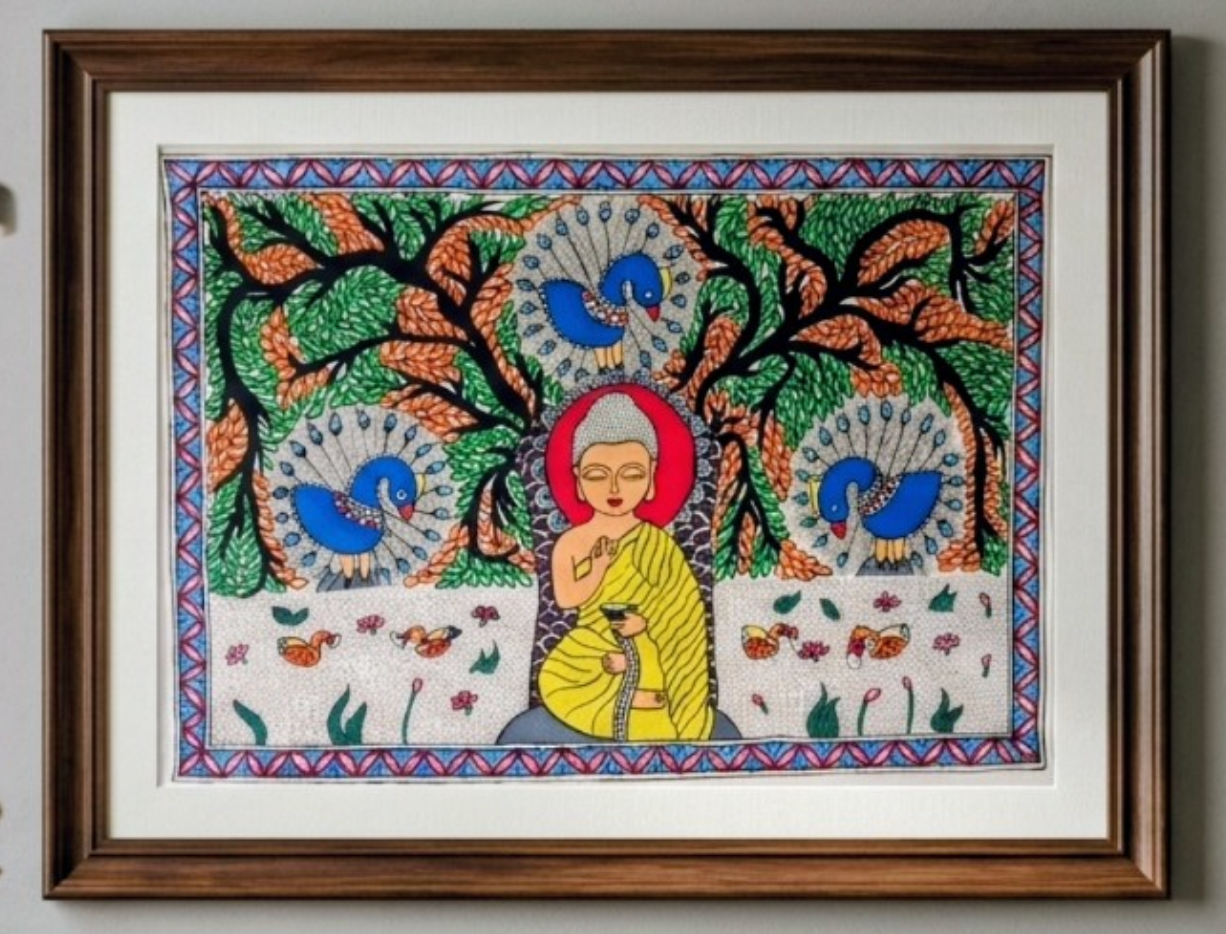
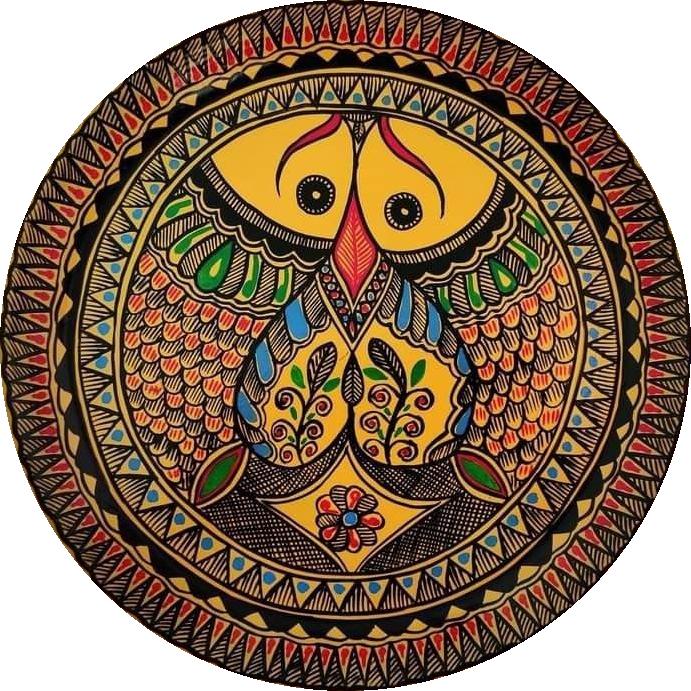
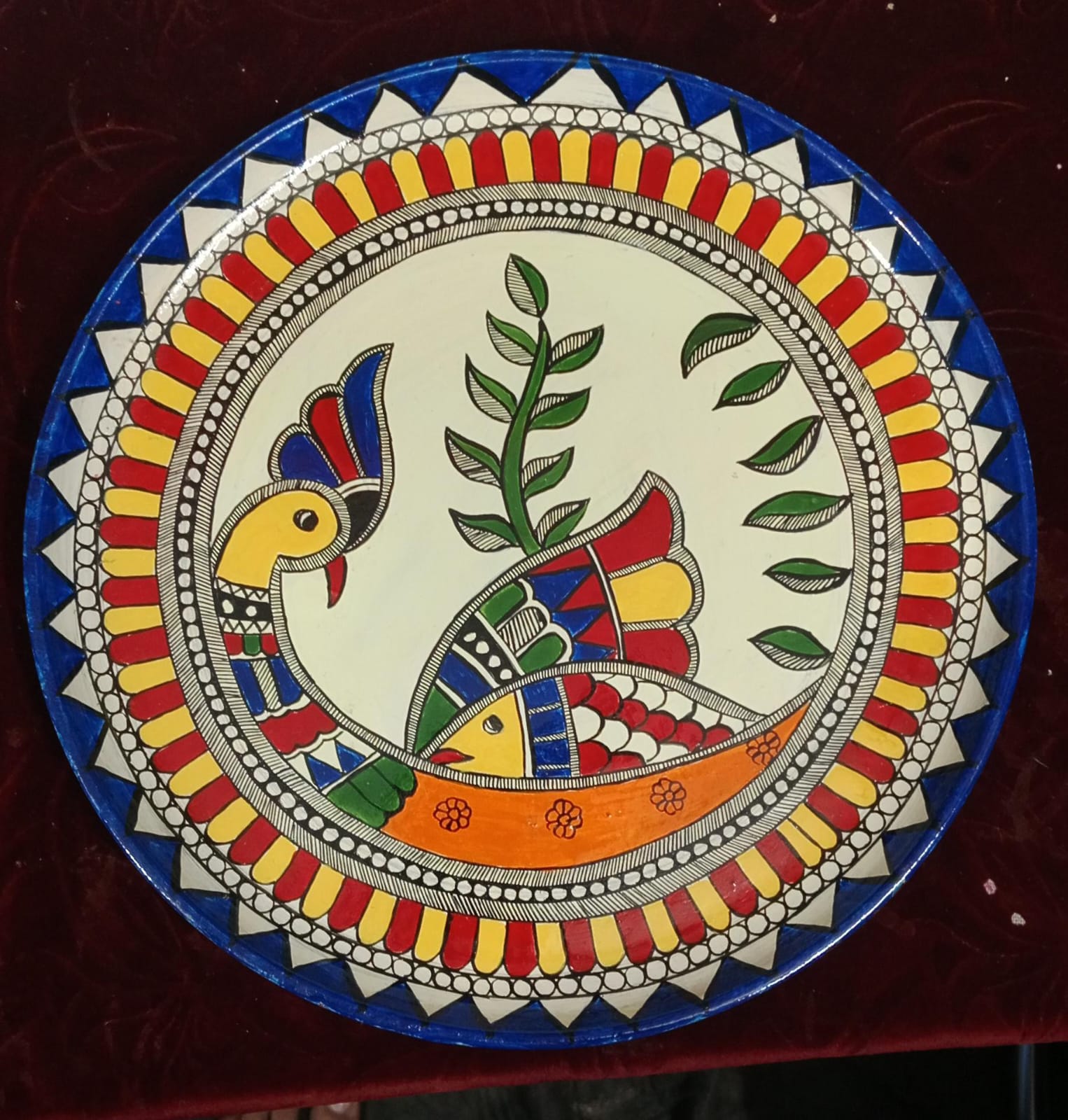
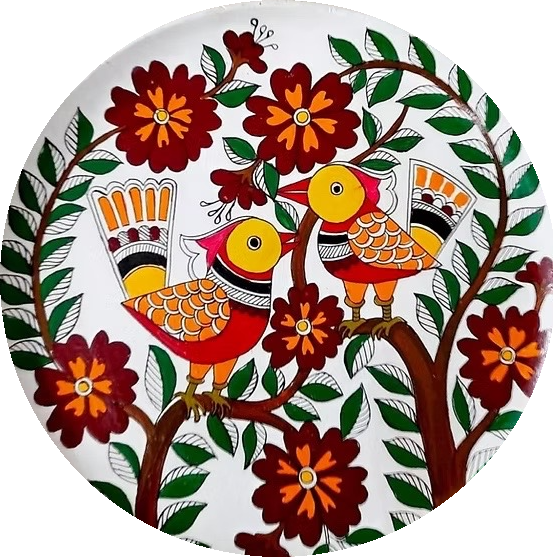
Madhubani, or Mithila painting, originated in the ancient region of Mithila in Bihar. Traditionally associated with the Ramayana and the marriage of Sita, it was practised largely by women as a household ritual art.
Read the story →
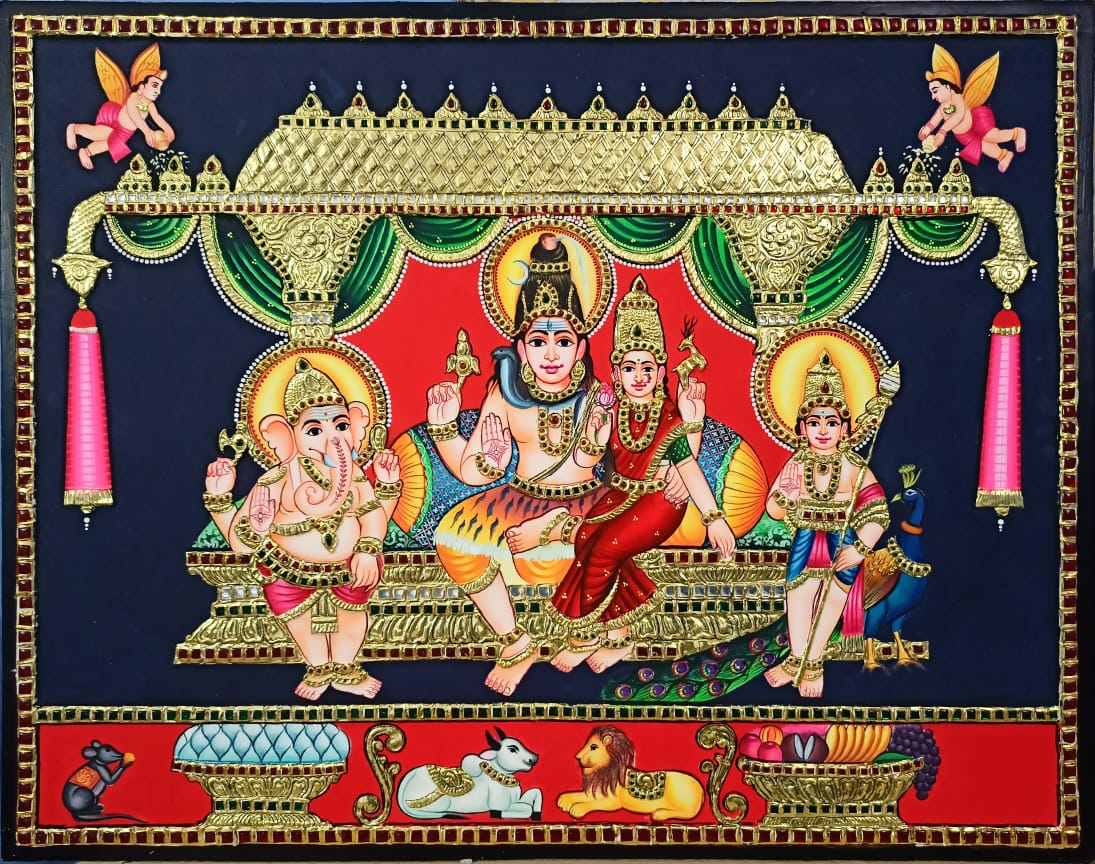
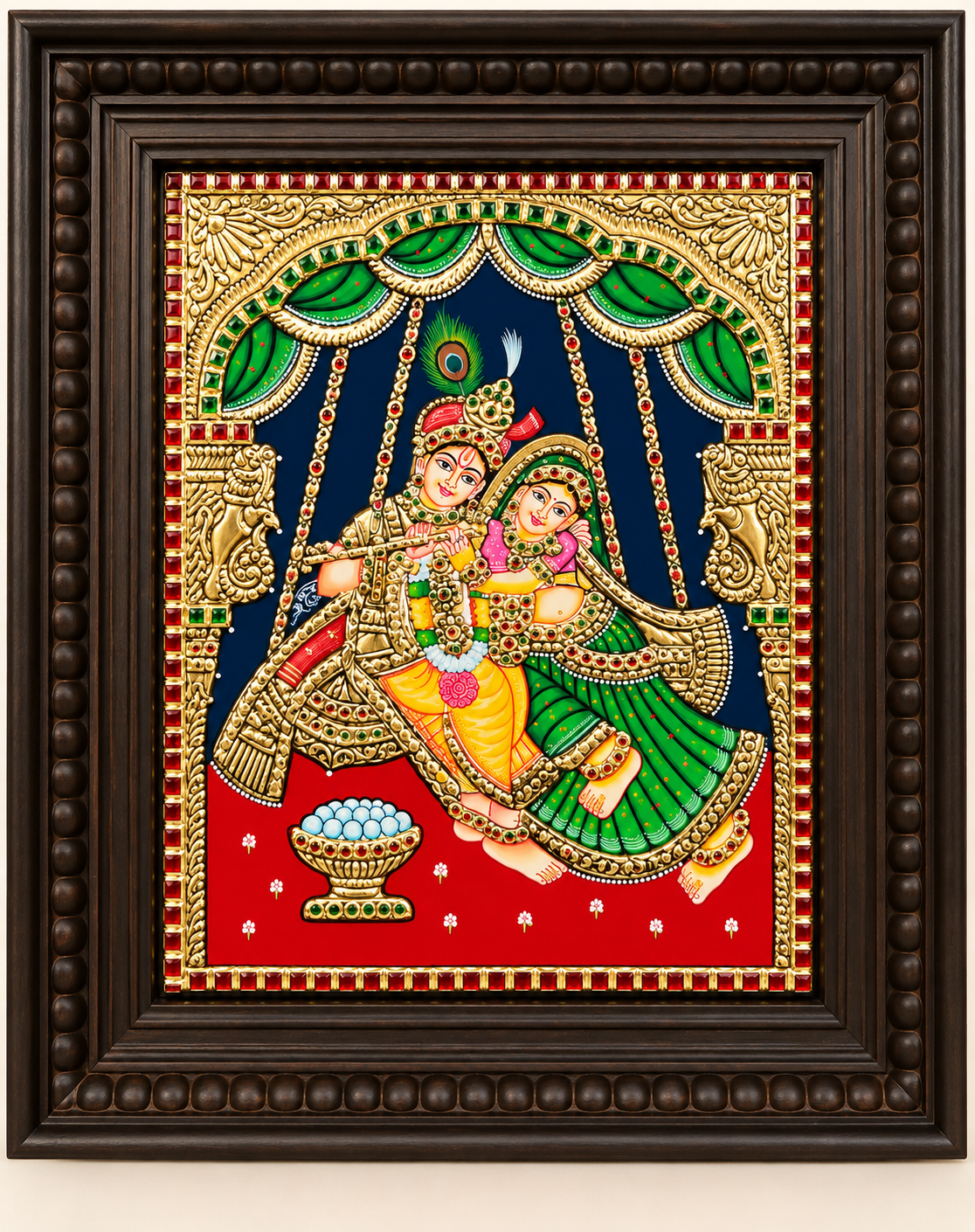
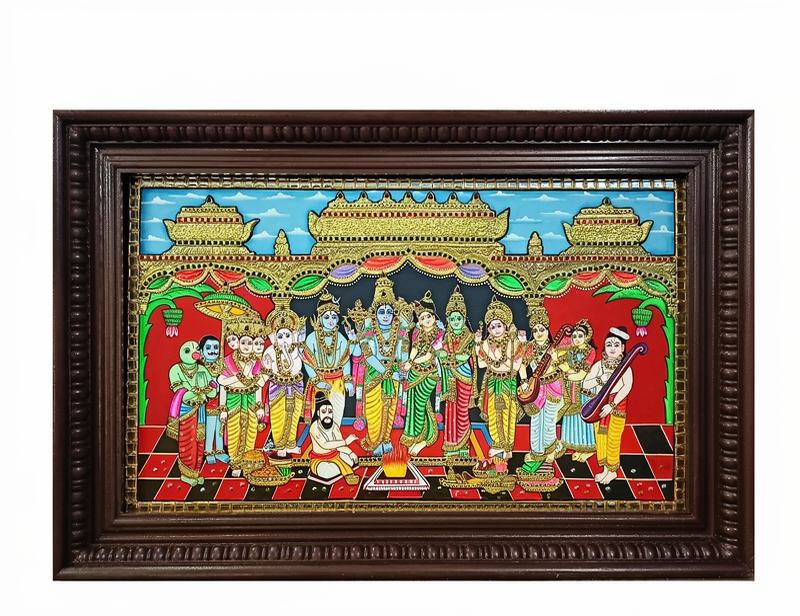
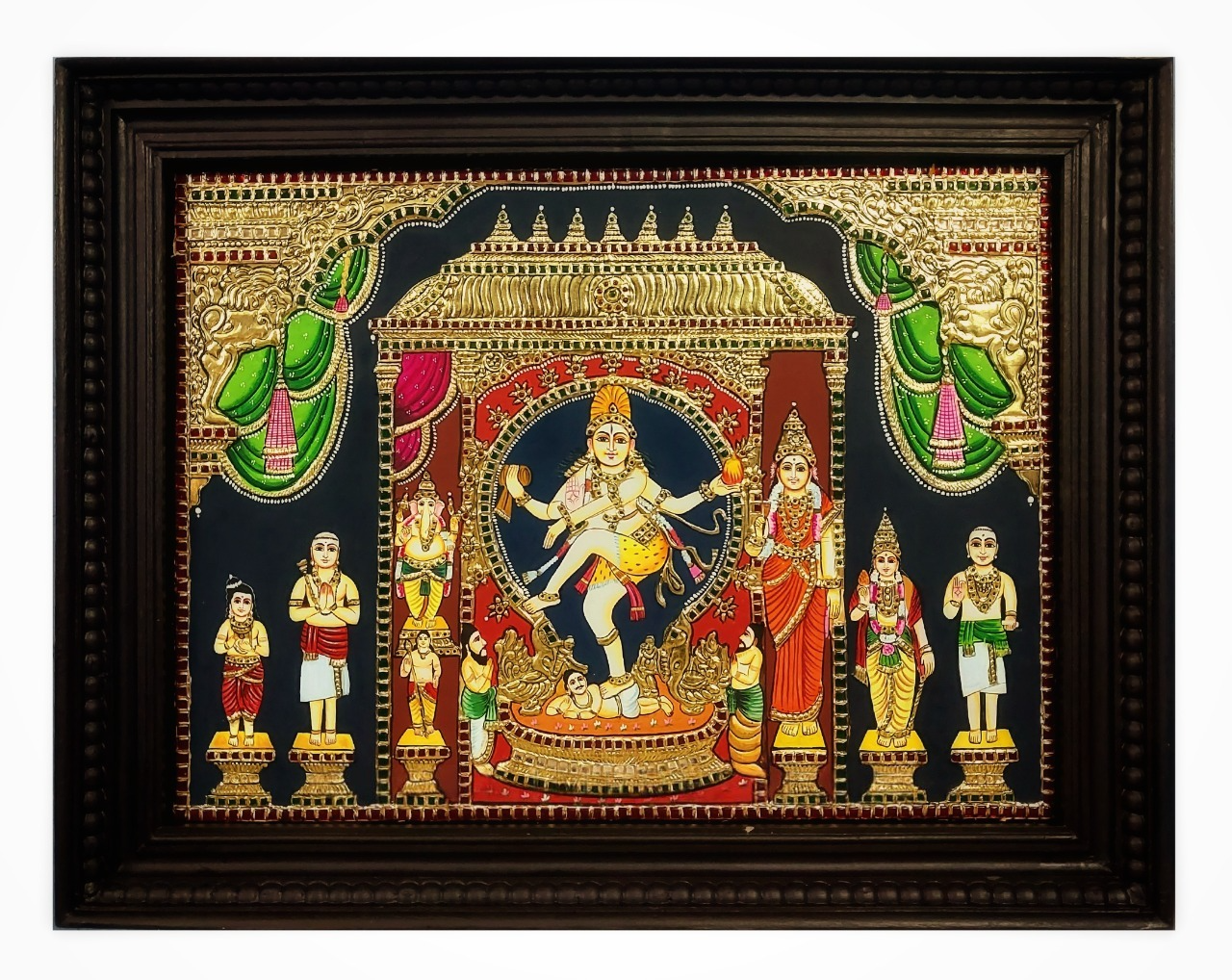
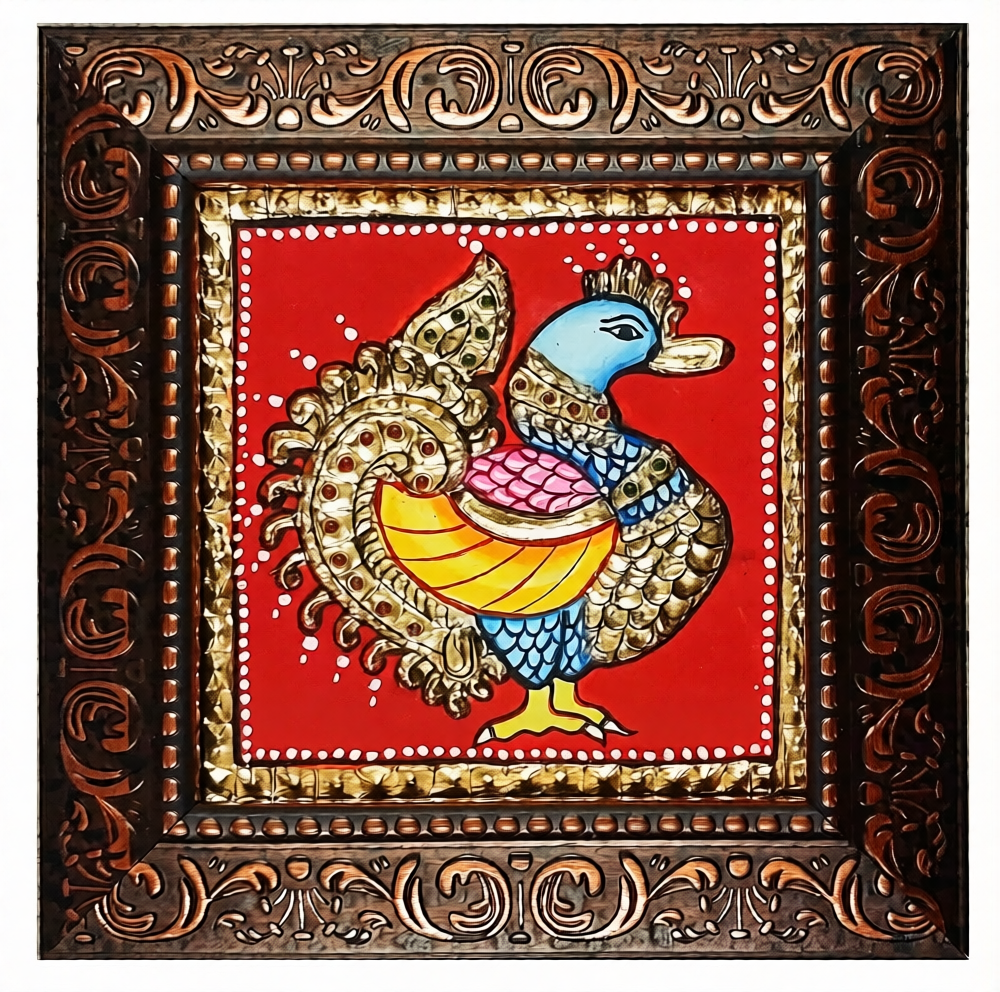
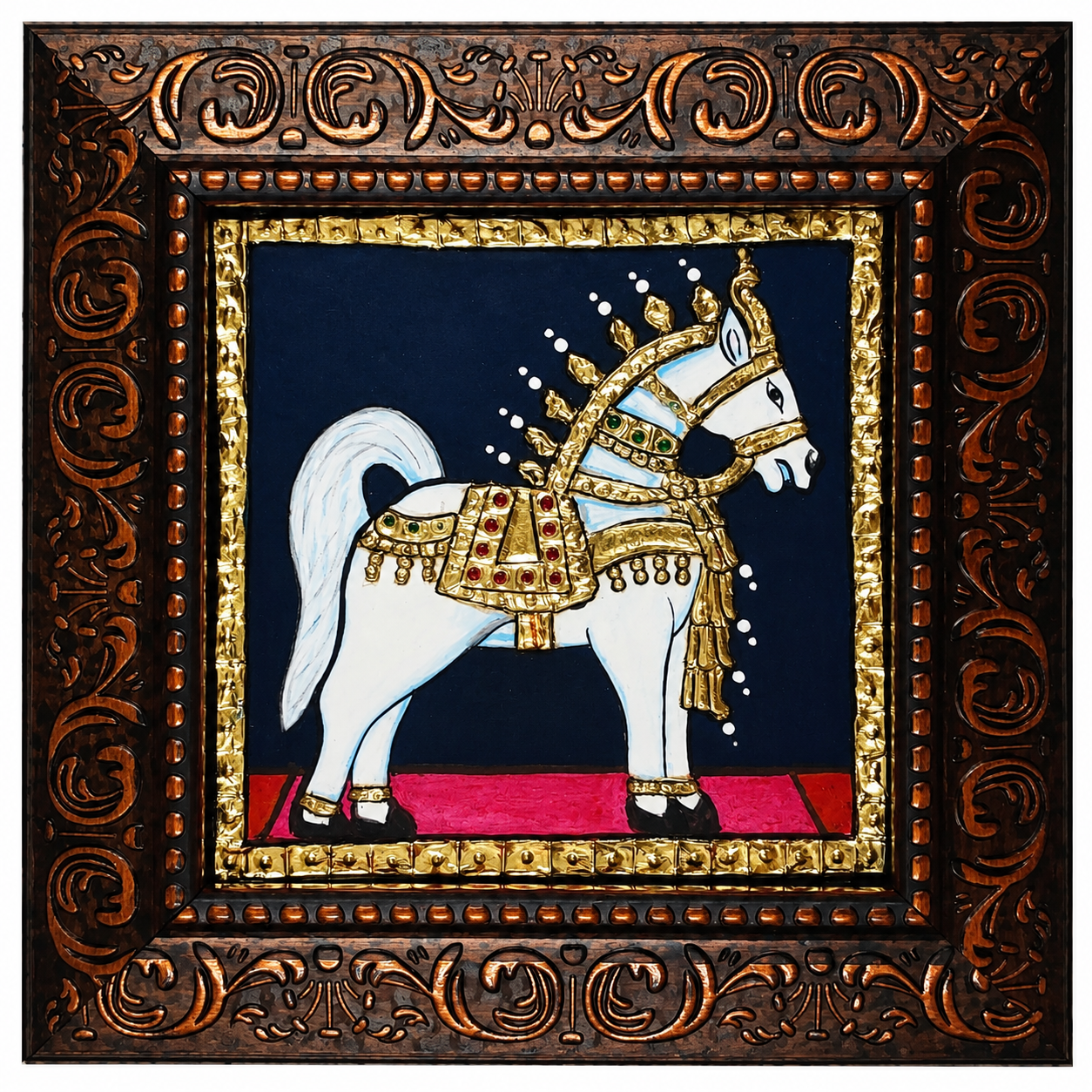
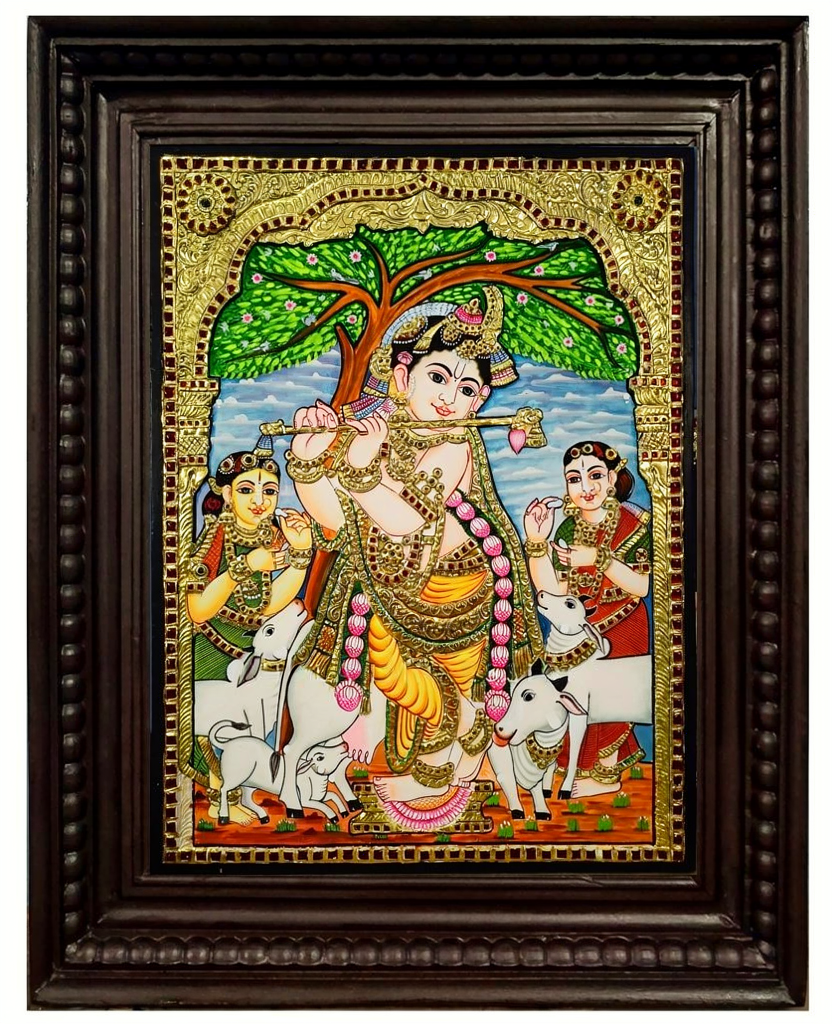
Emerging in South India under Nayaka patronage, Tanjore painting is known for rich colours, luminous gold leaf and ornate embellishment.
Read the story →
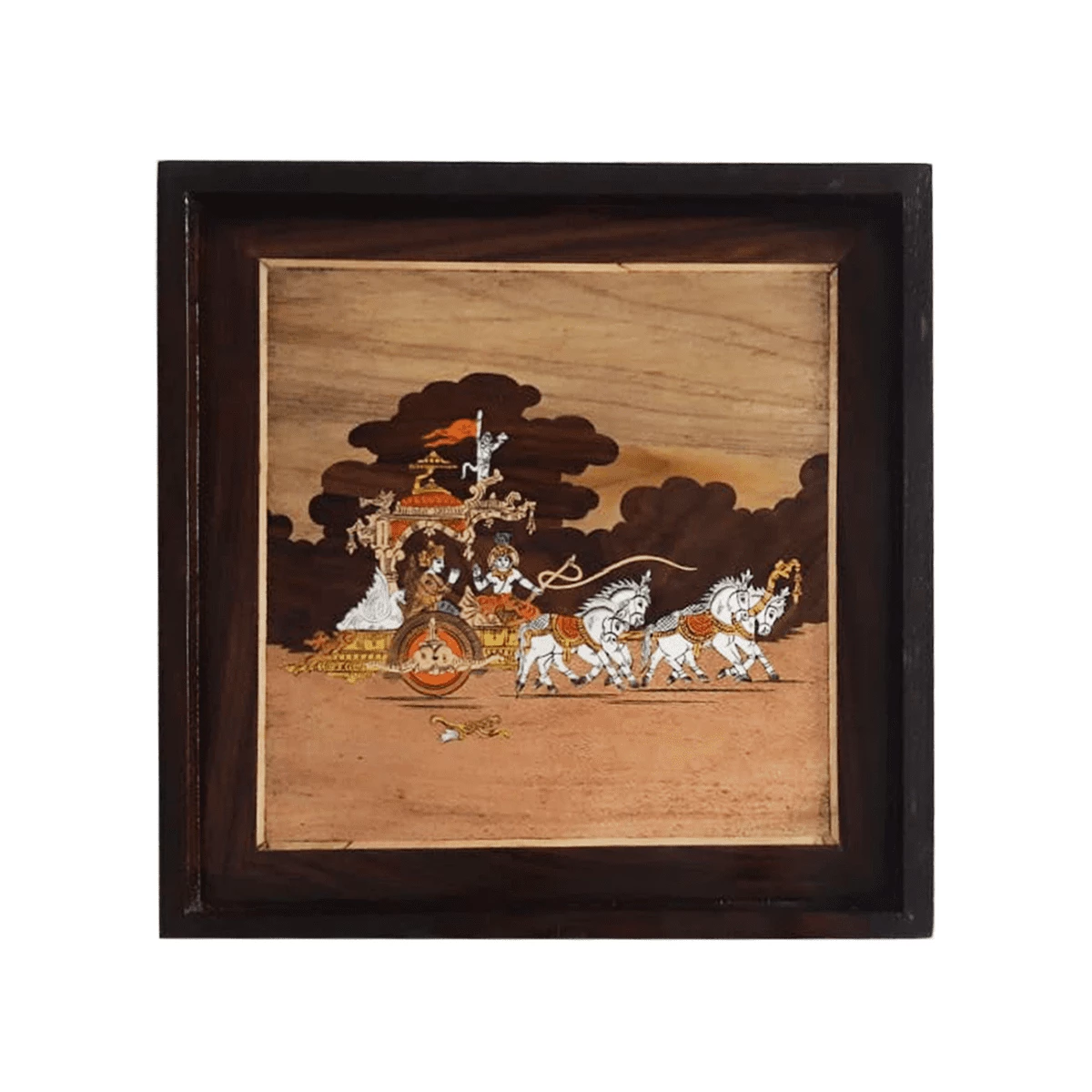
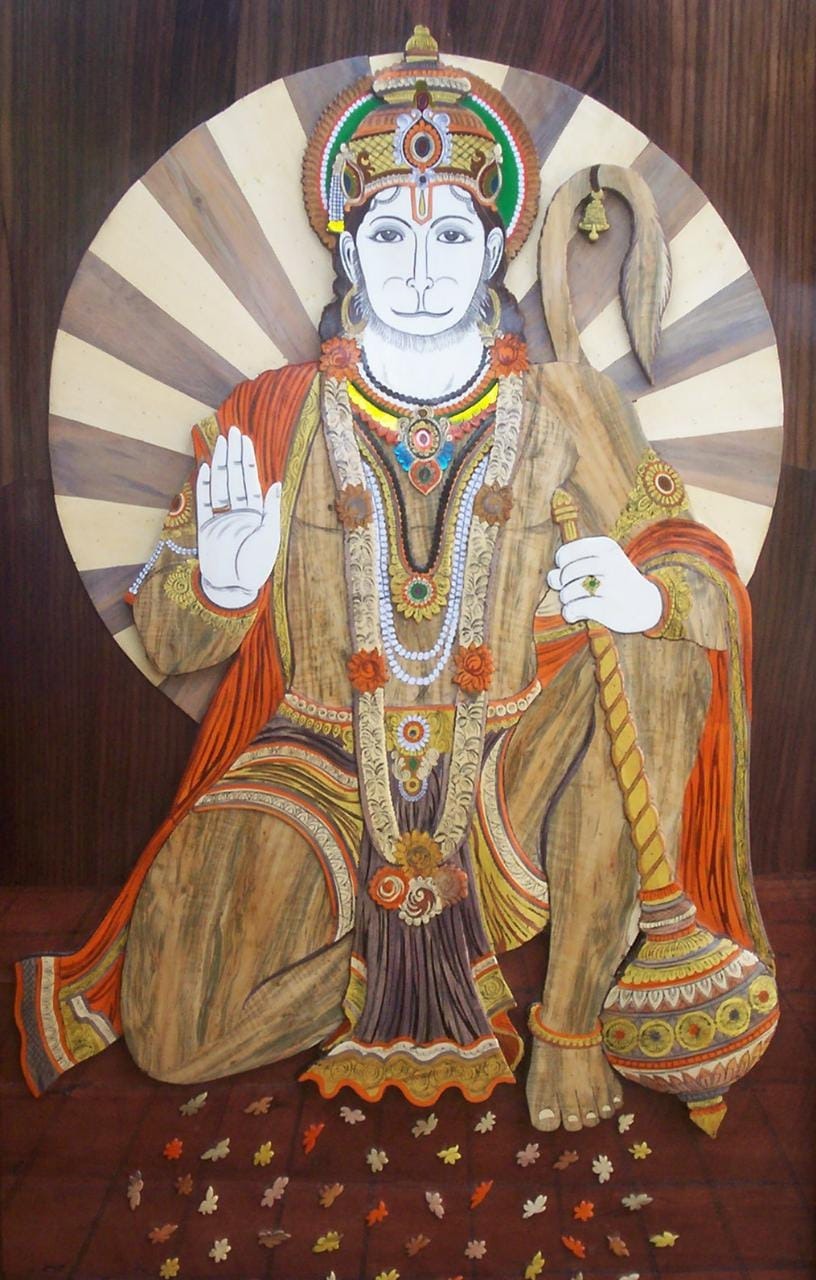
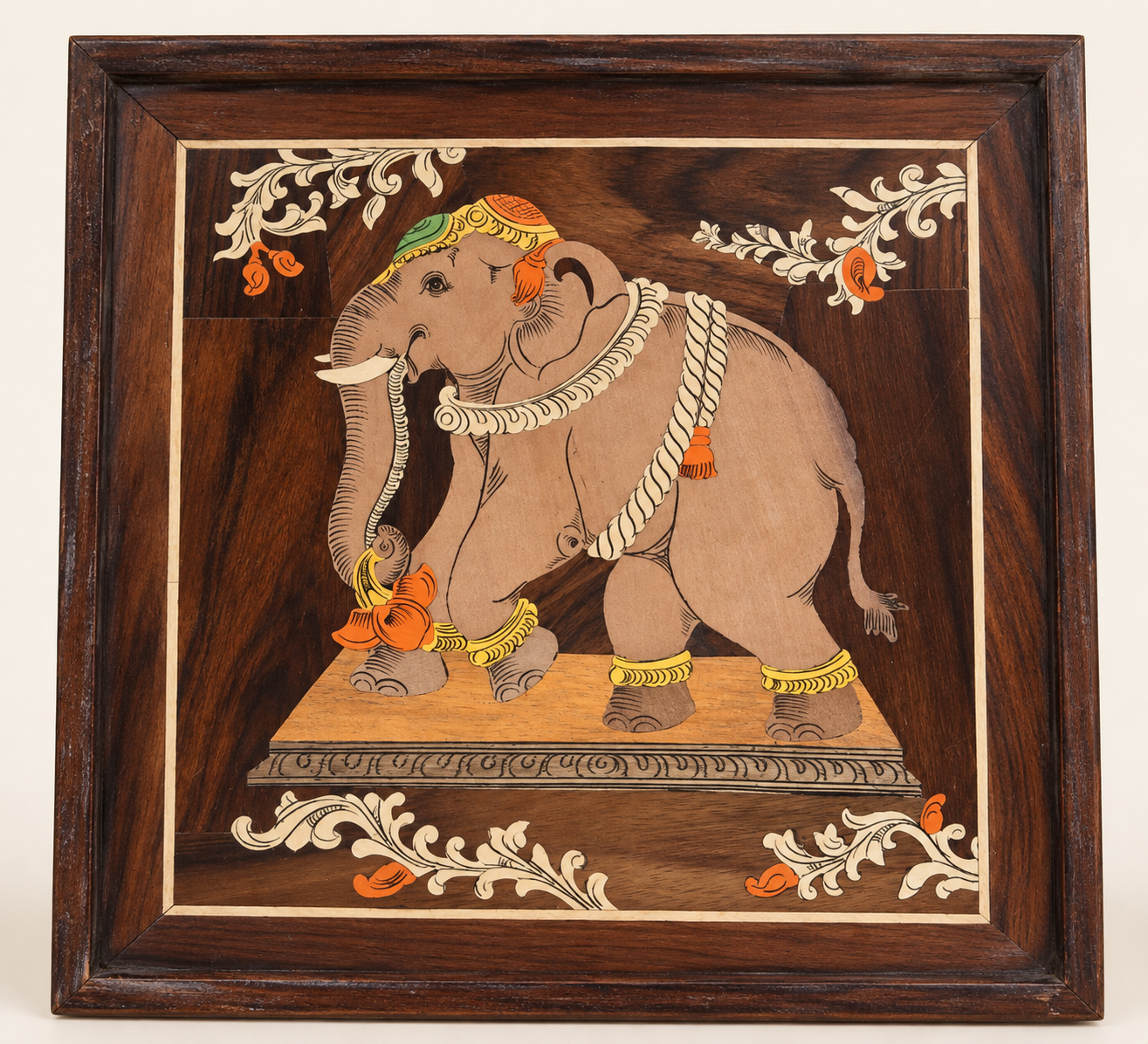
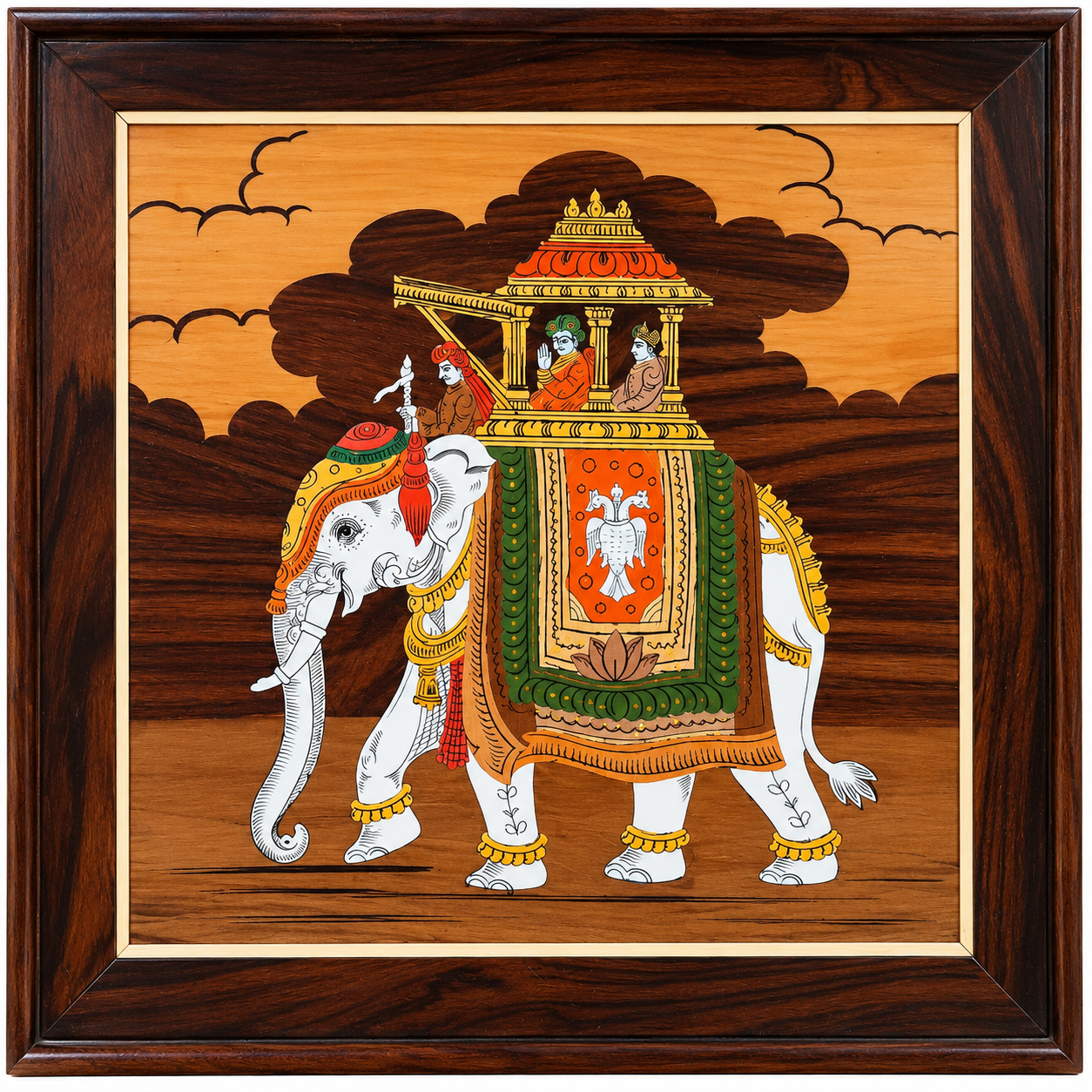
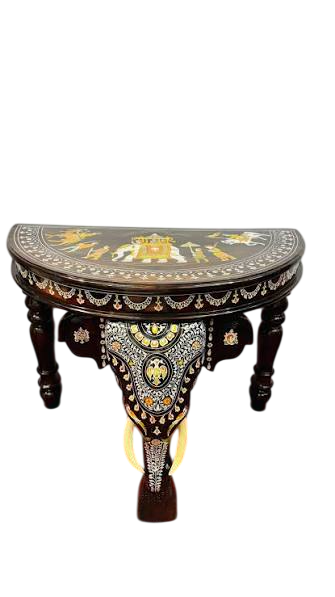
Nestled in Karnataka's craft heritage, Mysore rosewood inlay combines meticulous carving with contrasting woods, brass and silver.
Read the story →
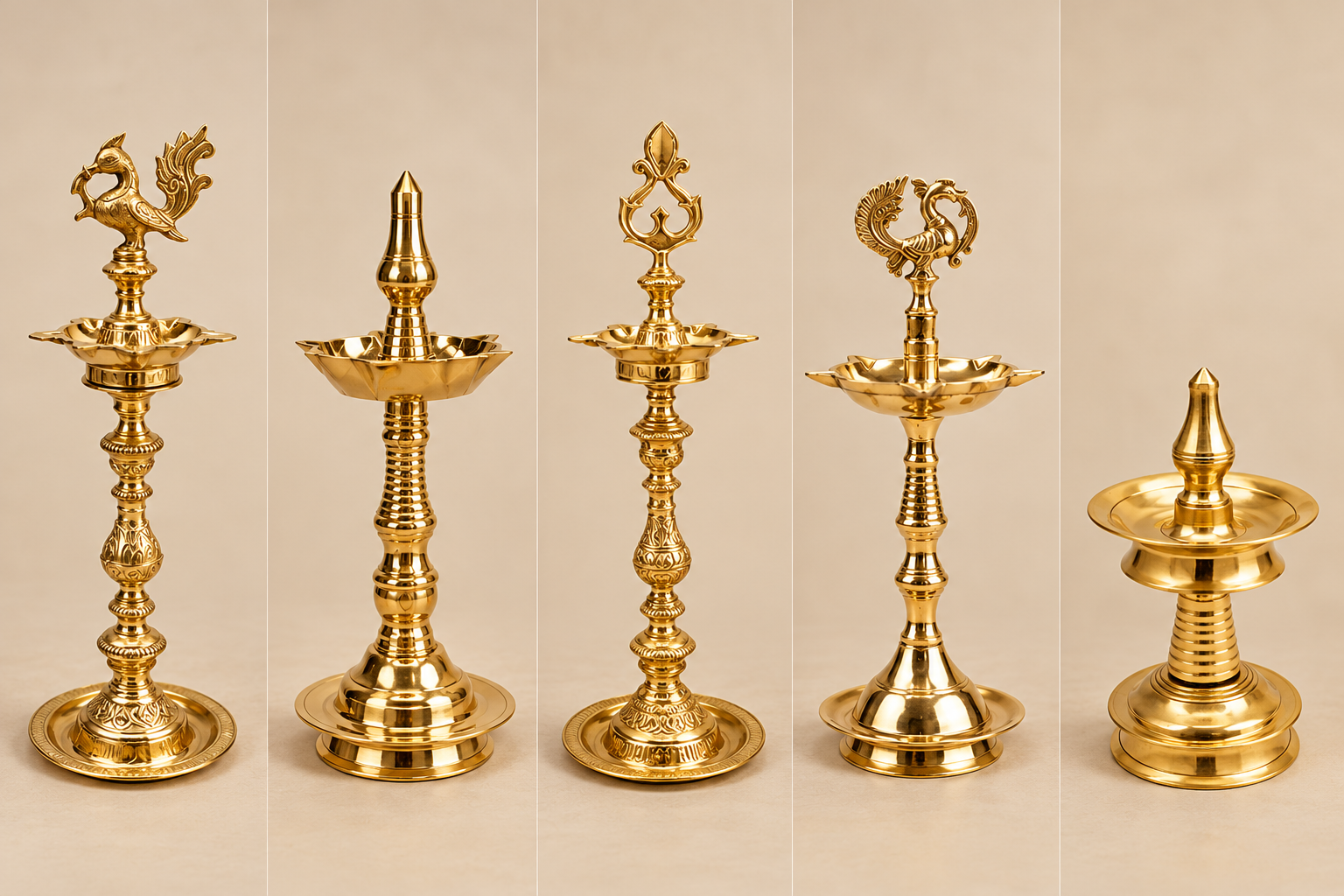
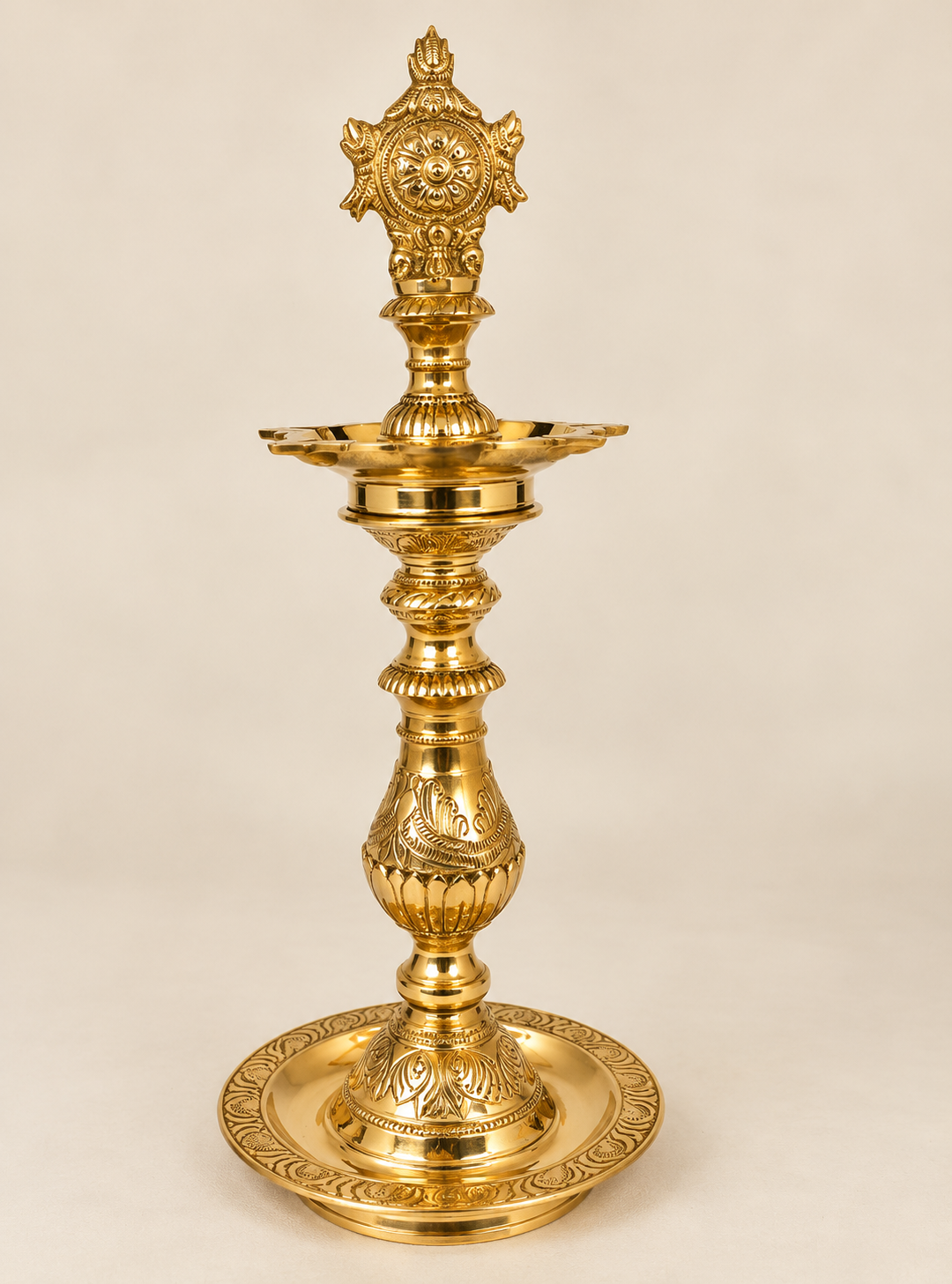
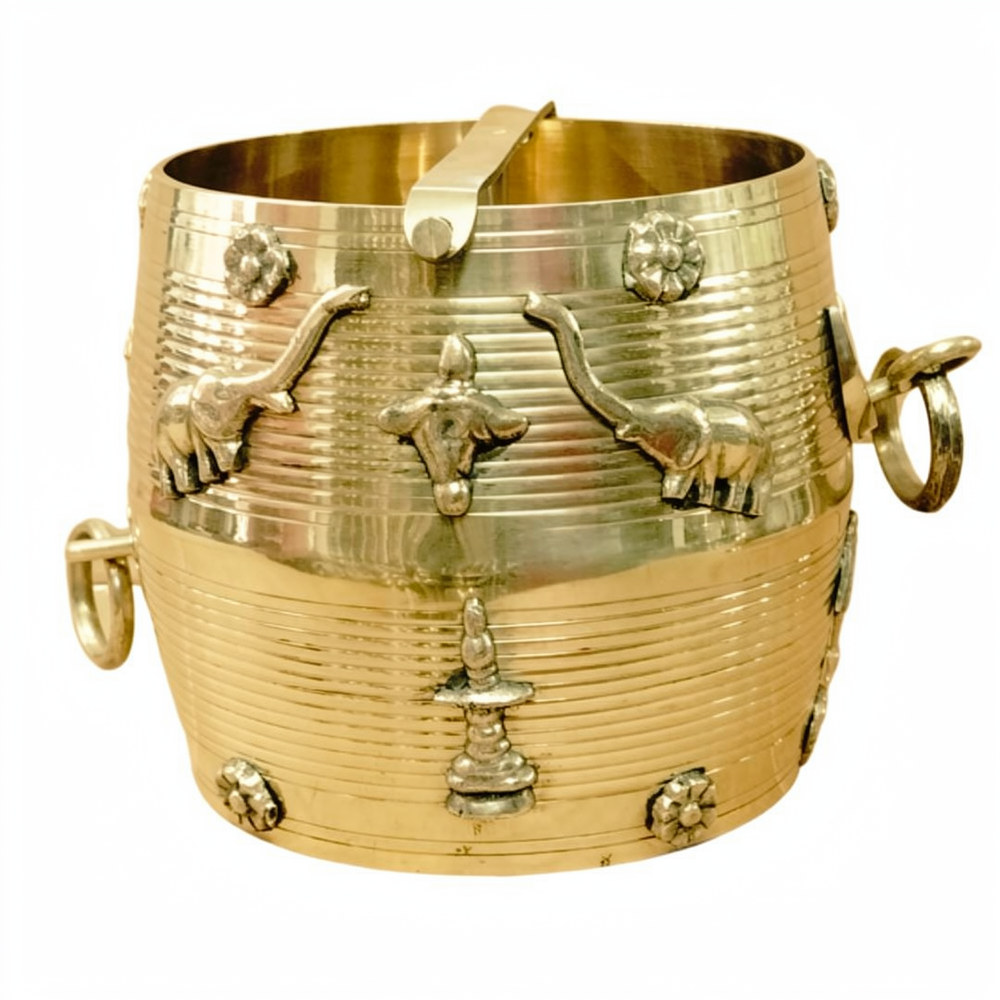
A traditional brass lamp for everyday worship and festive spaces.
Enquire for Price →
Panchaloha—meaning five metals—is part of an ancient tradition of sacred metal sculpture described in the Shilpa Shastras. The making of a traditional vigraha brings together prescribed principles of proportion, form, iconography and generations of inherited craftsmanship.
Read the storyStories, practices, art forms and knowledge that connect us to India's cultural heritage.
Reflections on values, customs and wisdom shared across generations.
Understanding the meaning behind rituals and finding thoughtful ways to live them today.
The stories, symbolism and practices that give our festivals their deeper meaning.
Madhubani, or Mithila painting, originated in the ancient region of Mithila in Bihar. It is traditionally associated with the Ramayana and the marriage of Sita, when the mud walls of homes were decorated with auspicious imagery.
Practised largely by women as a household ritual art, Madhubani is characterised by bold line drawings, vivid natural colours and intricate patterns, traditionally leaving little or no empty space. Themes include deities, nature, fertility, social life and a philosophical balance of opposites such as sun and moon, day and night.
Originally painted on freshly plastered mud walls using mineral and plant-based pigments, the art later moved to paper, cloth and canvas as demand grew. Today, artists across communities continue to practise Madhubani as a living heritage that blends mythology, ritual and everyday life.
Nestled in the heart of Karnataka’s craft heritage, Mysore gave rise to the exquisite art of rosewood inlay. This meticulous craft was once the pride of royal palaces, patronised by the Wodeyar dynasty and Tipu Sultan.
Artisans carve intricate patterns into rich rosewood, filling the grooves with contrasting woods, brass and silver to bring the designs to life. Traditional themes include local mythology, wildlife and the grandeur of Mysore’s Dussehra celebrations.
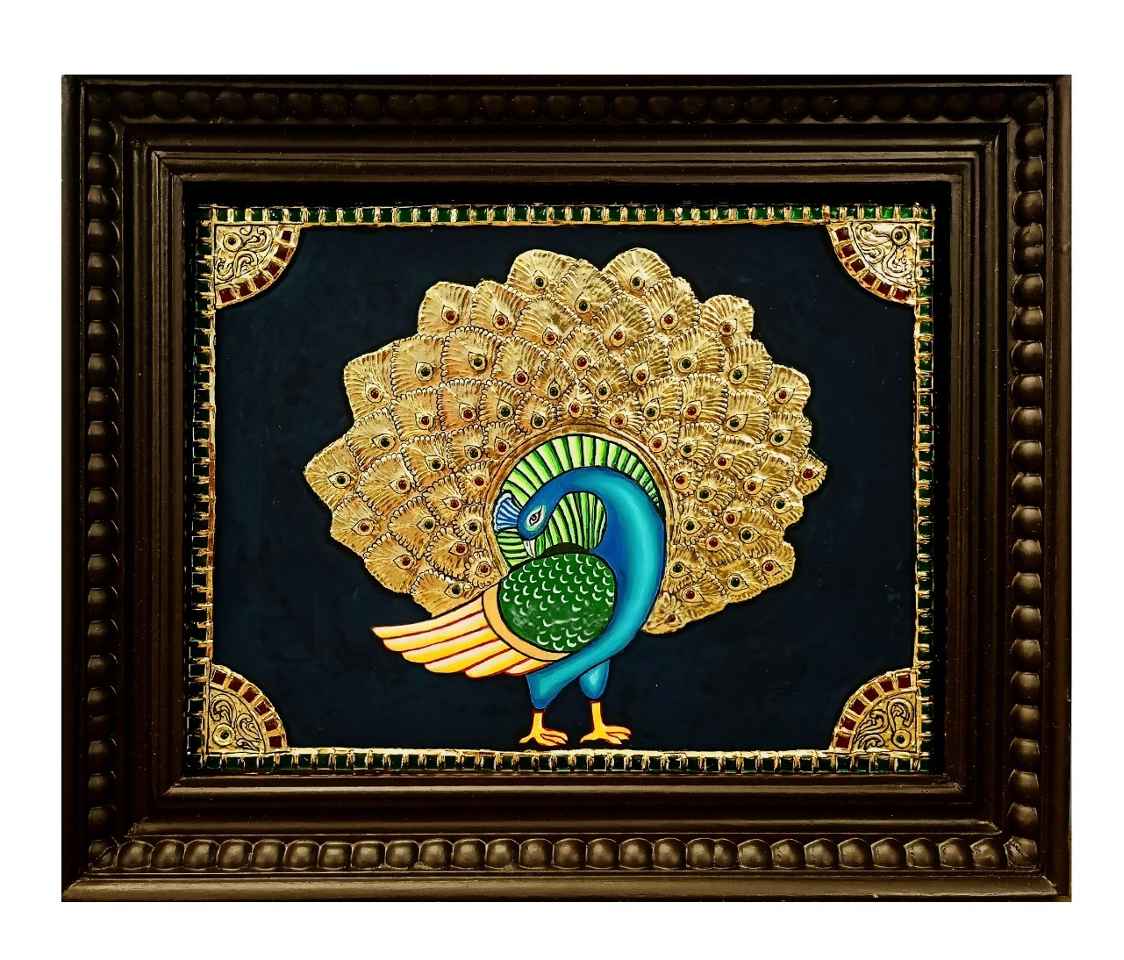
Over time, the craft has evolved while retaining its distinctive character, with materials such as ivory giving way to more sustainable alternatives.
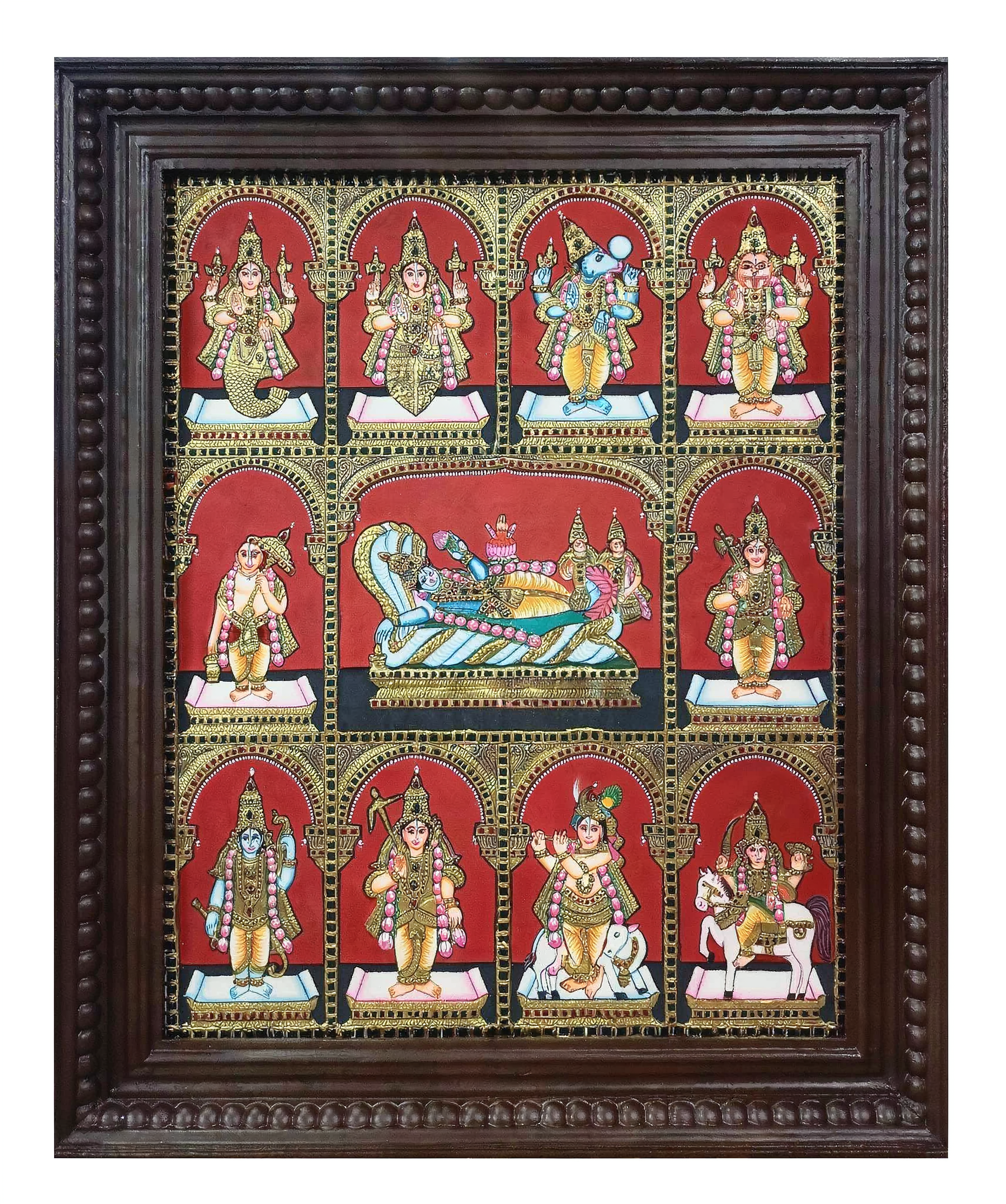
Tanjore, or Thanjavur painting, emerged in South India under the patronage of the Nayaka rulers, evolving from the artistic traditions of the Vijayanagara period.
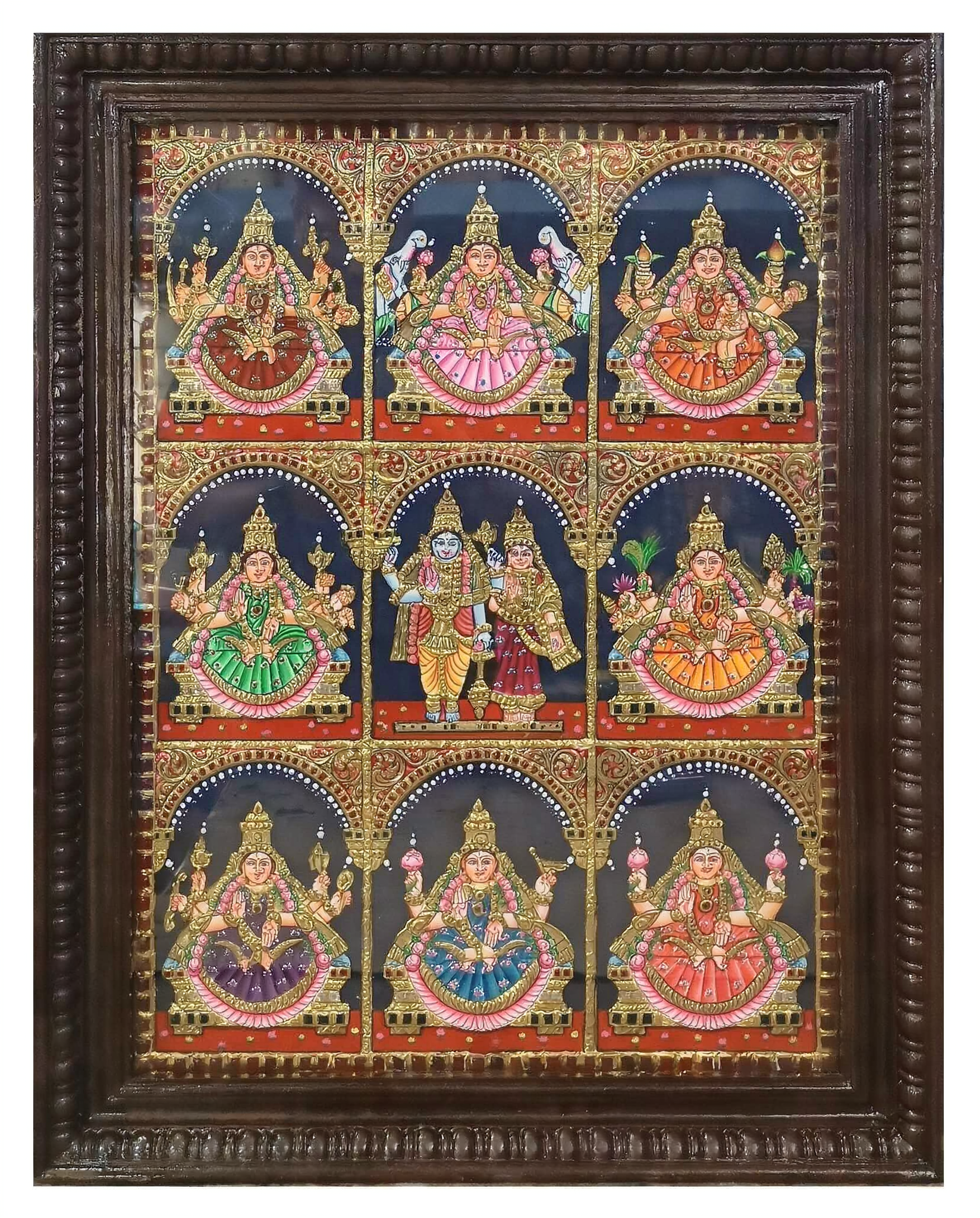
Traditionally executed on wooden panels, these paintings are distinguished by rich colours, luminous gold leaf and ornate embellishments of glass and semi-precious stones. Subjects are predominantly divine—Krishna, Rama, Vishnu, Lakshmi and the Shiva family.
Traditionally regarded as sacred art, Tanjore painting called for discipline, ritual purity and humility. Many master craftsmen remained anonymous, dedicating their skill to devotion rather than recognition. Today, this luminous tradition continues in Tamil Nadu.
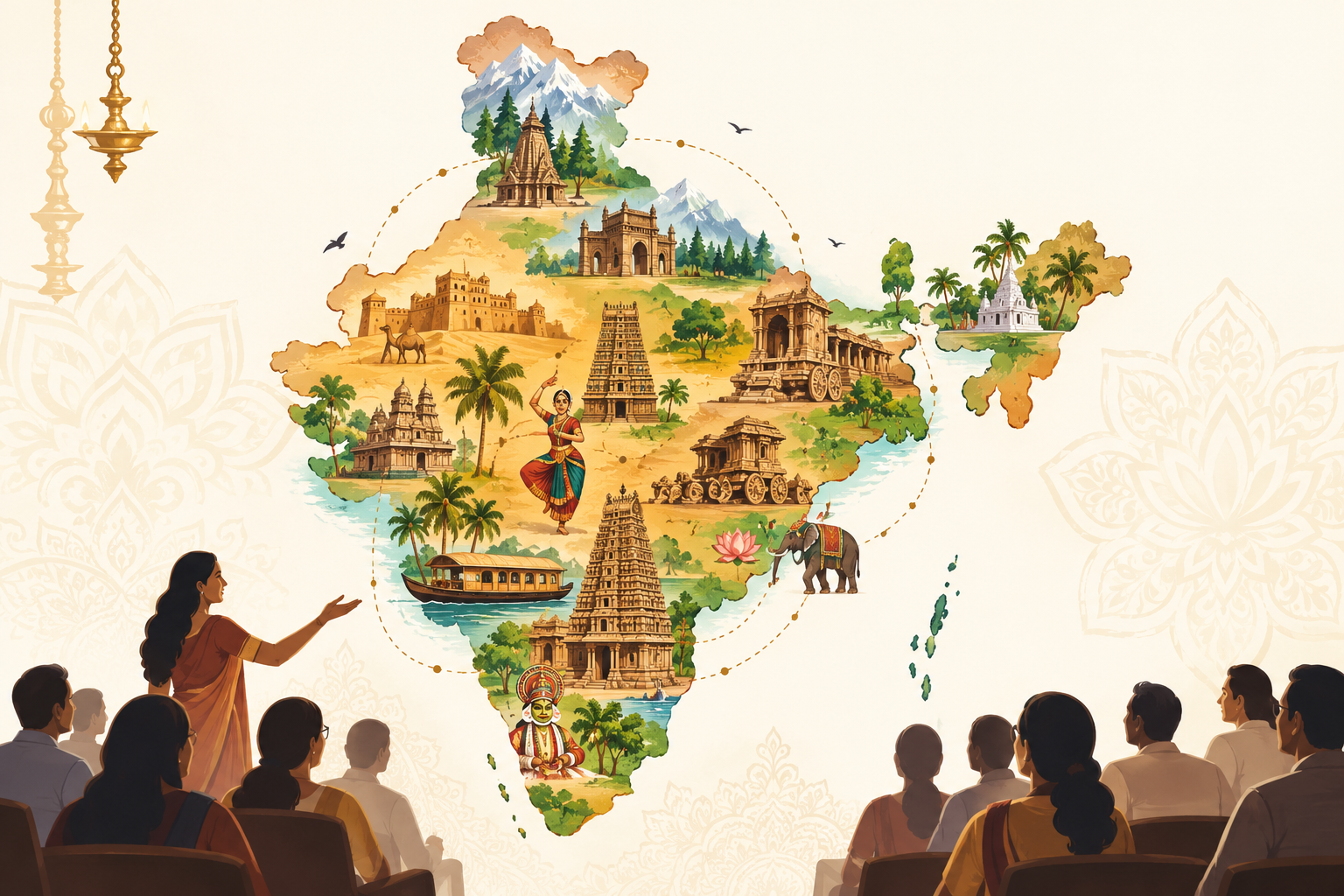
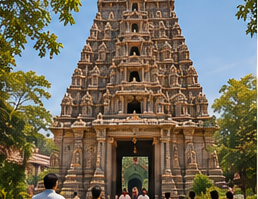
Curated journeys to significant sthalas and heritage sites—designed not simply to visit a place, but to understand its stories, traditions and significance.
From Divya Desams and Jyotirlingas to Shakti Peethas, Arupadai Veedu and lesser-known sacred spaces, Nannaal Travel will explore India through the lens of living tradition.
The five-day Ganesha festival as a metaphor for life, the five elements and the sacredness of impermanence.
An exploration of an ancient Vedic fire ritual and the questions it continues to raise today.
The craft, principles and living tradition behind sacred Panchaloha sculpture.
A retelling associated with Kanchi Periyava and the traditions surrounding Deepavali.
At Nannaal, our interest goes beyond providing information or selling objects. We want to help people rediscover the meaning, wisdom and beauty behind our traditions—and find ways to bring them into everyday life.
From art and objects to ideas, stories and family values, Nannaal seeks to create meaningful connections with the heritage we have inherited and make it relevant for generations today.
Our aim: To become India’s trusted companion for living traditions.